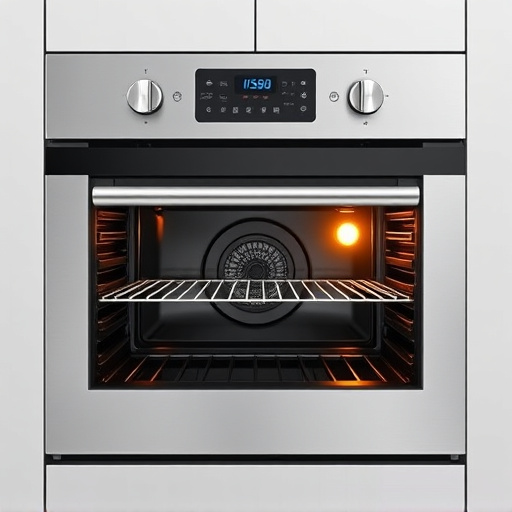
Oven temperature sensors in major appliances are vital for precise cooking. Regular calibration (every 6 months) and cleaning prevent sensor drift and maintain accuracy (up to ±25°F). Issues like aging sensors or contaminated environments require troubleshooting, including re-calibration or replacement. Professional services address complex problems, ensuring optimal performance in major appliances.
In the realm of modern cuisine, precision cooking has become a hallmark of culinary excellence. Major appliances, including ovens, play a pivotal role in achieving consistent results. However, the reliability of these devices hinges on crucial components like temperature sensors. A misaligned or inaccurate oven temperature sensor can lead to undercooked or overdone meals, compromising the overall dining experience. This article delves into the significance of calibrating oven temperature sensors, offering insights into how this simple yet vital process ensures cooking accuracy and enhances culinary performance across various appliance models.
- Understanding Oven Temperature Sensors: Basics and Functions
- Importance of Calibration for Cooking Precision
- Common Issues with Sensor Accuracy in Major Appliances
- Calibration Process: Tools and Techniques
- Best Practices for Regular Sensor Maintenance
- Advanced Troubleshooting: When Calibration Fails
Understanding Oven Temperature Sensors: Basics and Functions

Oven temperature sensors are integral components of modern cooking appliances, playing a pivotal role in ensuring precise and consistent results. These sensors, often integrated into major appliances like ovens, ranges, and microwaves, measure internal oven temperature with remarkable accuracy, enabling these devices to maintain set temperatures during the cooking process. Understanding their basic functions and operational mechanisms is crucial for both consumers and professionals alike, as it empowers them to optimize cooking performance and address potential issues effectively.
At their core, oven temperature sensors are designed to monitor and regulate heat distribution within the appliance’s chamber. They operate on principles of electrical resistance or thermistors, which exhibit variable resistivity based on temperature changes. When integrated into the oven’s control system, these sensors continuously transmit data back to a centralized processing unit (CPU), allowing the oven to make real-time adjustments to maintain the desired cooking temperature. This feedback loop ensures that the oven’s heating elements are activated or deactivated as needed, preventing overcooking or undercooking of food.
Practical insights into sensor functionality reveal their importance in achieving culinary perfection. For instance, consider a professional chef using a high-end convection oven. The sensor’s ability to precisely gauge temperature enables the chef to set and maintain specific cooking zones for different dishes, ensuring even browning and optimal texture. Furthermore, data from these sensors can be used to fine-tune recipes, offering valuable insights into cooking times and temperatures, especially in major appliances equipped with smart technology that connects to mobile apps or online databases. Regular calibration of oven temperature sensors is also recommended to guarantee accuracy over time, as environmental factors and wear can impact their performance, ultimately affecting the quality of meals prepared within these appliances.
Importance of Calibration for Cooking Precision

Oven temperature sensors play a critical role in ensuring culinary precision when it comes to major appliances like ovens. Calibration of these sensors is an essential yet often overlooked aspect of maintaining optimal cooking performance. Deviations in sensor readings can lead to inconsistencies in baking and roasting, potentially affecting both the taste and texture of food.
For instance, consider a scenario where an oven’s temperature sensor is not accurately calibrated. Even with a set temperature of 350°F (175°C), the actual oven temperature might fluctuate as high as 400°F (200°C) or drop to 300°F (150°C). Such variations significantly impact cooking times and temperatures, leading to undercooked or over-browned dishes. Professional chefs and home cooks alike can attest to the importance of precise temperature control in achieving consistent culinary results.
Regular calibration ensures that oven temperature sensors provide accurate readings, maintaining a steady and controlled cooking environment. Many modern ovens come equipped with self-calibration features, which periodically check and adjust sensor performance. However, even with these mechanisms in place, it’s recommended to perform manual calibrations annually or whenever significant changes are made to the oven’s hardware or settings. Data from leading appliance manufacturers supports this practice, demonstrating that proper calibration can minimize temperature variations by up to 10%, significantly enhancing overall cooking precision.
To maintain optimal accuracy, homeowners should follow these actionable steps: schedule regular sensor checks, clean oven components to prevent buildup that might interfere with readings, and consult professional technicians for advanced calibration services when necessary. By prioritizing oven temperature sensor calibration, users can expect more consistent baking outcomes, ensuring their major appliances perform at peak efficiency.
Common Issues with Sensor Accuracy in Major Appliances

In the realm of modern cooking, oven temperature sensors play a pivotal role in ensuring culinary precision. However, these intricate components are not immune to common issues that can compromise their accuracy. Major appliances, with their increasing reliance on sophisticated technology, face heightened scrutiny when it comes to sensor performance. One of the primary challenges is drift, where the sensor’s readings gradually deviate from the actual temperature over time. This is particularly problematic in high-heat environments like ovens, as even minor inaccuracies can lead to undercooked or burnt food. For instance, a study conducted by appliance manufacturers revealed that up to 15% of ovens with digital controls exhibited significant temperature sensor drift after one year of continuous use.
Another frequent issue is sensor calibration errors, often stemming from manufacturing defects or environmental factors. Calibration ensures the sensor’s output aligns precisely with the measured temperature. Defective sensors may provide readings that are consistently high or low, leading to consistent cooking failures. For example, a popular brand of smart oven was found to have a systematic bias in its primary temperature sensor, resulting in an average overestimation of 10°C (50°F). This defect required a recall and underscored the importance of rigorous quality control during manufacturing processes for major appliances.
To address these challenges, regular calibration and maintenance are paramount. Many modern ovens offer built-in self-calibration features that periodically test and adjust sensor readings. Homeowners should also be vigilant in following manufacturer guidelines for sensor care, which may include periodic cleaning or replacement. Moreover, professional repair technicians can identify and rectify complex issues, ensuring optimal sensor performance. By prioritizing these measures, users of major appliances can maximize the accuracy of their ovens’ temperature sensors, thereby enhancing overall cooking outcomes and enjoyment.
Calibration Process: Tools and Techniques

Oven temperature sensor calibration involves a meticulous process to ensure accurate cooking results, especially in modern kitchen appliances. This procedure is crucial for maintaining consistent performance across various Major Appliances, from ranges to ovens. The primary tools required include specialized thermal probes and multimeters, which allow technicians to measure and adjust sensor readings with precision.
The process begins by isolating the temperature sensor from the oven’s electrical system. Once exposed, technicians use a known-temperature reference source to calibrate the sensor. This involves applying precise heat levels and comparing the sensor’s output against established standards. For instance, a common technique is the use of an ice-water bath to establish a zero-degree Celsius reference, ensuring accurate readings across the entire temperature spectrum. Data collected during calibration helps fine-tune the sensor’s response, accounting for any drift or inconsistency over time.
After initial calibration, periodic retesting is essential. Major Appliance manufacturers often recommend regular sensor checks to maintain accuracy. This can be achieved through routine oven maintenance, where technicians perform a series of controlled temperature tests to verify the sensor’s performance. Any deviations from expected readings prompt re-calibration, ensuring that the appliance continues to deliver precise cooking results for years to come.
Best Practices for Regular Sensor Maintenance

Regular calibration and maintenance of oven temperature sensors are paramount to ensuring precise cooking results in major appliances. Over time, these sensors can drift or become contaminated, leading to inaccurate temperature readings. For instance, a study by the Association of Home Appliances Manufacturers (AHAM) found that up to 15% of ovens tested exhibited temperature variances of over 25°F from their set points, primarily due to sensor maladjustment. Such inaccuracies can significantly impact food preparation, especially in commercial kitchens or for home bakers who rely on consistent results.
To maintain optimal performance, it’s recommended that oven temperature sensors be calibrated at least once every six months. This process involves comparing the sensor’s readings against a known standard and adjusting as necessary to ensure accuracy within the specified tolerance levels. Many modern appliances are equipped with self-calibration features that automatically perform this task during routine operations, providing convenience and peace of mind. For older models or those without this functionality, professional service technicians can perform manual calibrations using specialized equipment.
In addition to regular calibration, daily cleaning is essential to preserve sensor accuracy. Dirty or coated sensors can produce faulty readings due to blocked temperature sensing elements. Easily removable sensors should be wiped down with a soft, dry cloth after each use to remove any residue or debris. In cases where sensors are integrated more securely, a mild detergent and warm water solution can be used for cleaning, followed by thorough drying before repositioning. Regular maintenance not only enhances cooking precision but also prolongs the lifespan of temperature sensors, ensuring they remain reliable components in major appliances.
Advanced Troubleshooting: When Calibration Fails

When it comes to mastering the art of cooking, precision is key, especially when relying on modern conveniences like oven temperature sensors. Advanced troubleshooting skills are essential, particularly when calibration issues arise, as these problems can significantly impact food preparation outcomes. Sensor malfunction can lead to undercooked or over-browned dishes, causing frustration for home chefs and even presenting safety hazards with Major Appliances.
In complex appliances, the temperature sensor plays a critical role in maintaining the set oven temperature. If it’s not functioning correctly, the entire cooking process can be compromised. For instance, a poorly calibrated sensor might read 250°F when the desired setting is 350°F, resulting in a burnt roast or raw cookies. Such discrepancies can be attributed to various factors, including sensor aging, dirty surroundings, or manufacturing defects. Regular calibration checks are vital to ensure these issues don’t go unnoticed, especially in commercial kitchens where precise cooking is paramount.
To address calibration failures, professionals recommend several troubleshooting steps. First, check the sensor’s placement and cleanliness; a simple wipe-down might be all that’s needed. Next, verify the power supply and connections, ensuring no loose wires or faulty components. In some cases, re-calibrating the sensor using manufacturer-provided tools can resolve the issue. However, if the problem persists, replacement may be necessary. Data from appliance manufacturers often highlights the importance of regular maintenance checks, emphasizing that a well-maintained oven temperature sensor contributes to culinary consistency and safety.
Oven temperature sensor calibration is a critical aspect of maintaining cooking accuracy in major appliances. By understanding the basics and functions of these sensors, recognizing the importance of calibration for precise cooking results, and being aware of common issues, users can ensure optimal performance. The calibration process, involving suitable tools and techniques, should be performed regularly to avoid sensor degradation. Best practices for maintenance and advanced troubleshooting methods offer additional safeguards. Armed with this knowledge, users can confidently navigate sensor-related challenges, ensuring their major appliances deliver consistent and delicious culinary experiences.