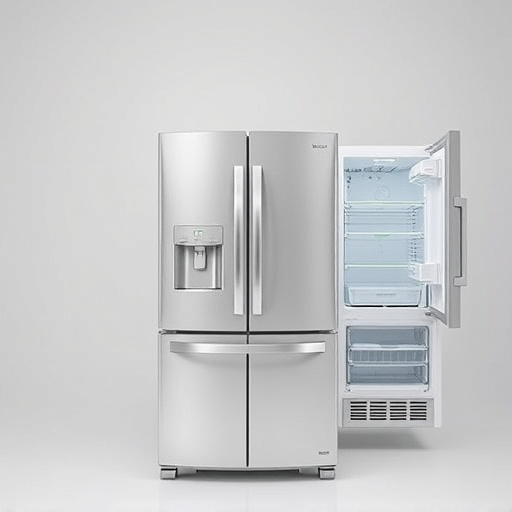
Regular cleaning of refrigerator condenser coils is essential for major appliances' optimal performance and energy efficiency. Dust and debris buildup decreases cooling capacity, straining appliances and increasing utility bills. Every 6-12 months, use compressed air or soft brushes to remove accumulations, preventing a 30% reduction in efficiency. Proper maintenance saves up to 20% on energy costs, extends appliance lifespans, and promotes sustainable living practices.
In the realm of major appliances, efficient cooling is paramount, especially considering the vital role these devices play in modern households. Refrigerator condenser coil cleaning emerges as a game-changer in enhancing cooling efficiency, thereby optimizing energy consumption and reducing operational costs. Over time, these coils accumulate dust and debris, hindering their ability to dissipate heat effectively. This not only impacts the performance of your refrigerator but also poses a broader environmental concern due to increased energy usage. Our comprehensive guide delves into the significance of regular cleaning, elucidates the process, and empowers homeowners with the knowledge to maintain these critical components, ultimately fostering sustainability and cost savings.
- Understanding Refrigerator Condenser Coils: Basic Function and Significance
- Buildup on Coils: Causes, Effects on Cooling Efficiency in Major Appliances
- Cleaning Methods: Tools and Techniques for Effective Condenser Coil Maintenance
- Regular Maintenance Tips: Preventive Measures to Maximize Refrigerator Performance
- Expert Advice: Advanced Strategies for Optimal Condenser Coil Care and Energy Savings
Understanding Refrigerator Condenser Coils: Basic Function and Significance

Refrigerator condenser coils play a pivotal role in the cooling efficiency of major appliances like refrigerators, air conditioners, and freezers. These intricate coils are designed to dissipate heat, transferring it from the internal compartment to the exterior environment. Their efficient operation is paramount for maintaining optimal temperatures in chilled or frozen storage spaces. Understanding the structure and function of these coils is essential for homeowners and appliance technicians alike, as regular cleaning can significantly enhance performance and energy efficiency.
The condenser coil, typically located on the back or bottom of the refrigerator, resembles a flattened spiral or serpentine path. It’s composed of thin metal strands that facilitate heat transfer through a process known as condensation. Warm air from inside the fridge circulates over these coils, causing moisture to evaporate and cool, eventually transforming into liquid water which is then drained away. The clean, cold air is subsequently circulated back into the refrigerator compartment, maintaining its desired temperature. However, over time, dust, dirt, and other debris accumulate on the coil surfaces, impeding heat transfer and reducing cooling efficiency.
Regular cleaning of condenser coils can lead to substantial energy savings. A study by the U.S. Department of Energy found that a clean coil can reduce energy consumption by 5-30%, depending on the appliance’s age and condition. For example, an old refrigerator with dirty coils might consume as much as 25% more energy than one with clean coils. This not only translates to lower utility bills but also extends the lifespan of major appliances, making coil cleaning a practical and cost-effective maintenance practice.
Buildup on Coils: Causes, Effects on Cooling Efficiency in Major Appliances

Coil buildup on refrigerator components, particularly the condenser coils, is a common issue across various major appliances designed with cooling systems. These coils play a critical role in dissipating heat, ensuring optimal performance and energy efficiency. Over time, however, they accumulate dust, dirt, and other debris, leading to significant impacts on cooling efficiency. The consequences of this buildup extend beyond mere aesthetic concerns; it directly affects the appliance’s ability to maintain desired temperatures, thereby reducing overall energy productivity.
When condenser coils become fouled, the air flow through the system is hindered, causing a reduction in the heat transfer rate. This reduction results in increased strain on the compressor, leading to higher energy consumption and reduced cooling capacity. Studies have shown that as little as 0.5 inches of debris on an average-sized coil can decrease efficiency by up to 25%. Furthermore, built-up dirt acts as insulation, trapping heat within the appliance rather than releasing it into the environment, which is a key consideration in modern energy-efficient appliances. Regular cleaning of these coils, therefore, becomes essential not only for maintaining optimal cooling performance but also for preserving the energy efficiency that consumers expect from their major appliances.
Addressing coil buildup proactively can extend the lifespan of your refrigerator or other cooling systems and yield substantial long-term savings on energy costs. It’s recommended to perform periodic cleaning as per manufacturer guidelines, which often include simple steps like disconnecting power, removing the grill, and using compressed air or soft brushes to remove debris. For more thorough cleaning, professional services specializing in major appliance maintenance can provide expert solutions tailored to specific models, ensuring that your cooling systems operate at peak efficiency for years to come.
Cleaning Methods: Tools and Techniques for Effective Condenser Coil Maintenance

Regular cleaning of refrigerator condenser coils is a crucial aspect of maintaining optimal cooling efficiency in major appliances. The condenser coil, situated behind or beneath the unit, plays a vital role in the refrigeration cycle. Over time, these coils can accumulate dust, dirt, and debris, leading to reduced airflow and decreased energy efficiency. Professional technicians often recommend periodic cleaning to prevent excessive energy consumption and costly repairs.
Effective condenser coil maintenance involves several practical techniques. One common method is using compressed air cans to blow away accumulated grime. This technique is particularly useful for accessible coils and can be done as a preventive measure. For more thorough cleaning, a soft-bristled brush or cloth dampened with a mild detergent solution can be employed. It’s essential to ensure the coil is disconnected from power before attempting any cleaning to avoid electrical hazards. In hard-to-reach areas, a long-handled tool designed for coil cleaning can provide the necessary accessibility.
Additionally, some modern refrigerator models come equipped with self-cleaning mechanisms or automatic condensate drain systems that reduce the buildup of debris. However, even with these features, regular inspection and manual cleaning are recommended to address any accumulated dust or dirt that may impact performance. Data from industry studies shows that well-maintained coils can contribute to a 10-20% increase in energy efficiency, translating to significant savings for consumers over time. To ensure optimal results, it’s advisable to establish a regular cleaning schedule and consult with appliance manufacturers or professionals for specific guidelines tailored to different models of refrigerators.
Regular Maintenance Tips: Preventive Measures to Maximize Refrigerator Performance

Regular maintenance of refrigerator condenser coils is a critical component of maximizing cooling efficiency and extending the lifespan of your major appliances. Over time, these coils can accumulate dust, dirt, and debris, leading to reduced performance and increased energy consumption. A study by the Energy Department found that dirty coils can lower a refrigerator’s efficiency by up to 30%, resulting in higher utility bills for homeowners.
To prevent this from happening, it is essential to implement preventive measures such as regular cleaning. A simple yet effective method involves using compressed air cans to blow away accumulated dust and debris. This should be done at least once every three months or more frequently if the unit is located in a dusty environment. Additionally, checking for any signs of damage or corrosion on the coils and replacing damaged parts can further enhance performance.
Another crucial tip is to ensure proper airflow around the refrigerator. Obstructions like boxes, furniture, or other appliances can restrict air flow, hindering the cooling process. Keeping the area around your major appliances clear allows for optimal performance. Furthermore, regular inspection of the seals and gaskets can prevent leaks and ensure the unit operates efficiently. These simple yet effective maintenance practices not only maximize the performance of your refrigerator but also contribute to energy conservation and cost savings in the long run.
Expert Advice: Advanced Strategies for Optimal Condenser Coil Care and Energy Savings

Maintaining the cleanliness of your refrigerator’s condenser coils is a strategic energy-saving practice often overlooked. These coils, situated behind or beneath the major appliances, play a vital role in cooling your food. Over time, dust, dirt, and debris can accumulate, leading to reduced efficiency and increased energy consumption. Experts recommend regular cleaning not only to optimize performance but also to prolong the lifespan of these critical components.
Advanced strategies for condenser coil care involve more than just periodic cleaning. It includes understanding the unique challenges posed by different environments. For instance, in regions with high humidity levels, regular de-humidification and coil cleaning are essential to prevent mold growth. Professional technicians often employ specialized tools like pressure washers or vacuum cleaners to thoroughly clean coils without causing damage. This meticulous process ensures that no residue remains, allowing for maximum air flow and efficient cooling.
Data from energy efficiency studies shows that well-maintained condenser coils can reduce electricity bills by up to 20%. Moreover, proper care extends the lifespan of your refrigerator, saving you from frequent replacements. To ensure optimal results, consider setting a schedule for regular cleaning, ideally every 6–12 months, depending on usage and environmental conditions. This proactive approach not only enhances energy efficiency but also contributes to sustainable living practices.
By addressing buildup on refrigerator condenser coils, homeowners can significantly enhance the cooling efficiency of their major appliances. This article has provided a comprehensive overview, from understanding the basic function and causes of coil buildup to exploring various cleaning methods and expert advice for advanced care. Regular maintenance, including preventive measures and optimal care strategies, ensures not only improved performance but also energy savings. Key takeaways include the importance of regular cleaning, the impact of buildup on cooling efficiency, and practical tips for maintaining condenser coils to ensure the longevity and effectiveness of major appliances.