
Regularly inspect and adjust drive belts in major appliances, especially dryers, to prevent rotation issues. Check for wear, slippage, proper tension (following manufacturer guidelines), and reattach components after adjustments. Timely belt inspections reduce motor strain, extend appliance lifespans by up to 30%, and minimize costly breakdowns.
In the realm of major appliances, reliable drum rotation is key to efficient drying. Issues like erratic or stopped rotation can lead to costly repairs or premature replacement. Dryer belt adjustments, however, offer a straightforward and cost-effective solution. This article delves into the intricacies of diagnosing and fixing these common problems, empowering homeowners and technicians alike to troubleshoot and resolve drum rotation issues across various models and makes. By understanding the mechanics behind dryer belts and learning precise adjustment techniques, you’ll enhance the longevity and performance of these essential appliances.
- Identifying Dryer Drum Rotation Problems in Major Appliances
- Accessing and Evaluating the Drive Belt for Adjustment
- Correcting Tension and Ensuring Smooth Drum Rotation
Identifying Dryer Drum Rotation Problems in Major Appliances
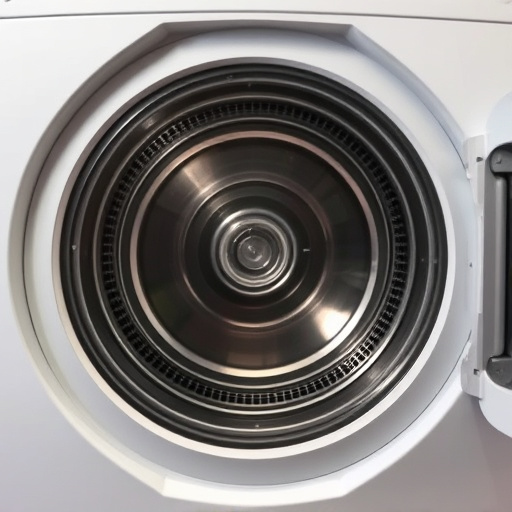
Identifying issues with dryer drum rotation is a critical step for maintaining major appliances. In many cases, problems arise from misalignment or tension issues with the drive belt, which can lead to inconsistent drying performance or even complete failure of the machine. For instance, a loose belt may cause the drum to wobble, resulting in inadequate heat distribution and prolonged dry times. Conversely, a tight belt can impose excessive strain on the motor, potentially leading to overheating or mechanical failures over time. These issues are not only frustrating for homeowners but can also impact energy efficiency and appliance longevity.
Experts recommend periodic checks of major appliances’ dryer belts, especially in high-use households. Data suggests that regular maintenance can extend the lifespan of these appliances by as much as 30%. During inspections, look for signs of wear, fraying, or cracks on the belt. A thin or stretched belt may require replacement, while a loose one can be tightened using the appropriate tools. It’s crucial to follow safety protocols and consult manufacturer guidelines when making adjustments, as incorrect tensioning could cause damage. For instance, a study by Consumer Reports found that proper belt tension significantly reduces the risk of fire hazards associated with dryer malfunctions.
To ensure optimal performance, consider integrating belt checks into your regular maintenance routine. This proactive approach can save time, money, and potentially prevent major appliance failures. Remember, addressing drum rotation problems early on contributes to the overall efficiency and reliability of your dryer, ensuring years of trouble-free use.
Accessing and Evaluating the Drive Belt for Adjustment

Accessing and evaluating the drive belt for adjustment is a crucial step in diagnosing and rectifying drum rotation issues in major appliances such as dryers. To begin, ensure the appliance is unplugged to avoid any safety hazards. The next step is to locate the dryer’s belt, which typically runs along the inside of the machine, close to the drum. This task often requires removing the back panel of the dryer for access, a process that varies slightly depending on the model but generally involves securing and disconnecting screws or brackets. Once exposed, carefully inspect the belt for any signs of damage, such as cracks, wear, or slippage. Belts should be tight yet flexible, with no loose sections.
If the belt appears damaged, replacement is recommended to avoid further complications. However, if the belt shows minimal wear but still needs adjustment, proceed to tighten it using the provided tools. Major appliance manufacturers typically include a belt tensioner or tool designed for this purpose. These tools are usually straightforward to operate and allow you to adjust the belt’s tension, ensuring it securely wraps around the drum and motor pulleys. It’s important to note that excessive tension can damage the belt or motor, so follow the manufacturer’s guidelines closely.
After adjusting the belt, reattach the dryer’s back panel and reconnect any removed components. Plug in the appliance and test its operation. If the drum rotates smoothly without any unusual noises or vibrations, the adjustment was successful. Otherwise, further troubleshooting may be necessary to identify and resolve persisting issues related to drum rotation. Regular inspection and timely adjustments of the drive belt can significantly extend the lifespan of major appliances, preventing more complex and costly repairs.
Correcting Tension and Ensuring Smooth Drum Rotation

Many homeowners face issues with their dryer’s drum rotation, often resulting from loose or improperly adjusted dryer belts. This common problem can lead to significant disruptions in laundry routines, causing frustration for users of major appliances. The solution lies in understanding how to correctly tension the belt, ensuring smooth and efficient operation.
When a dryer belt is too loose, it allows excessive movement, causing the drum to wobble and potentially skip during rotation. Conversely, a belt that’s too tight can put unnecessary strain on the motor, leading to overheating and reduced appliance lifespan. Expert technicians recommend periodic checks of dryer belts, especially in high-use households. Regular maintenance involves inspecting for wear and tear and adjusting tension accordingly. A simple adjustment can be done by following manufacturer guidelines, typically involving loosing a few bolts to release pressure and then re-tensioning the belt securely.
For instance, a study by the National Association of Home Builders (NAHB) found that proper belt tension significantly reduces the risk of appliance breakdowns. Data from major appliance manufacturers also indicates that regular maintenance can extend the life of dryers by up to 50%. This not only saves homeowners money but also contributes to a more sustainable approach to home maintenance, ensuring these essential appliances remain reliable over time.
By thoroughly understanding and addressing dryer belt adjustments, homeowners and appliance technicians can effectively resolve drum rotation issues in major appliances. The article has provided clear guidelines on identifying problems, accessing the drive belt, and correcting tension to ensure smooth operation. These practical steps are essential for maintaining the performance and longevity of various household appliances, empowering individuals to tackle common repairs with confidence.