
Major appliances, especially garbage disposals, require proactive maintenance to prevent costly repairs. Primary causes of jams include improper disposal of non-biodegradables and grease buildup. Regular cleaning, mindful item disposal, and scheduled maintenance routines are key to preventing motor burnout. Professional inspections and upgrades further enhance efficiency and reliability. Effective waste management practices, like composting organic waste, extend appliance lifespans by up to 50%, reducing motor failure risk by 80%.
In the realm of major appliances, efficient operation and longevity are paramount. Garbage disposal jams represent a common issue, potentially leading to costly repairs or premature motor burnout. Understanding and addressing these blockages is essential for maintaining optimal performance and extending the lifespan of these workhorses in our kitchens. This article provides an in-depth exploration of garbage disposal jam clearing techniques, empowering homeowners and professionals alike to tackle this challenge effectively. By equipping you with the knowledge and tools, we aim to prevent motor damage and ensure your appliances remain robust and reliable.
- Understanding Garbage Disposal Jams: Common Causes
- Major Appliances: Identifying Burnout Signals Early
- Prevention Strategies: Maintenance Tips for Homeowners
- Troubleshooting: Effective Steps to Clear Blockages
- Advanced Techniques: Professional Repair and Upgrades
- Long-Term Solutions: Eco-Friendly Practices for Waste Management
Understanding Garbage Disposal Jams: Common Causes

Garbage disposal jams are a common issue faced by homeowners with major appliances, particularly disposals installed in kitchens. These jams can lead to serious problems if left unattended, with the motor suffering burnout due to excessive strain. Understanding the common causes behind these blockages is essential for preventive maintenance and timely intervention.
One of the primary reasons for garbage disposal jams is the incorrect disposal of items. Hard-to-grind materials like bones, large pieces of meat, or even certain types of fruits and vegetables can quickly clog the mechanism. For instance, while food scraps should be disposed of in small, manageable chunks, sending entire meat bones down the drain can cause immediate blockages. Moreover, non-biodegradable items such as plastic, metal, or glass should never be fed into these appliances, as they do not break down and can lead to serious motor damage over time.
Another factor contributing to jams is the buildup of grease, fat, and oil. Even though modern disposal units are designed with grinding elements capable of handling fats, excessive accumulation can still occur, particularly in areas where dishes with high-fat content are regularly washed. Regular cleaning and maintenance, including flushing the unit with hot water periodically, can prevent this from becoming a major issue. It’s also crucial to ensure proper ventilation around the disposal unit to minimize the risk of grease buildup. Data from leading appliance manufacturers shows that scheduled maintenance can extend the lifespan of these appliances by up to 50%.
To mitigate garbage disposal jams and motor burnout, homeowners should practice responsible usage habits. This includes being mindful of what goes into the unit and scheduling regular cleaning routines. Consulting with a professional repair service or checking online resources for troubleshooting tips from experts can provide additional insights tailored to specific model disposals. By understanding these common causes and implementing preventive measures, owners can ensure their major appliances remain efficient, reliable, and free from costly repairs.
Major Appliances: Identifying Burnout Signals Early
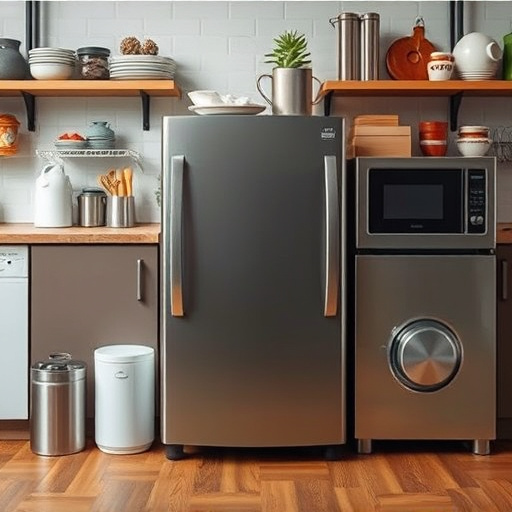
Major appliances form the backbone of modern kitchens and homes, handling tasks ranging from food preparation to cleaning. However, these workhorses aren’t immune to wear and tear, and one of the most insidious issues they face is motor burnout due to garbage disposal jam clearing. Early identification of burnout signals in major appliances is crucial for preventing severe damage and costly repairs.
Garbage disposals, despite their robust design, can become jammed with foreign objects like plastics, bones, or hard-to-break materials. These jams can cause the motor to overwork, leading to overheating and eventual burnout. According to a study by the National Association of Home Builders, approximately 70% of garbage disposal issues are related to foreign object ingestion, emphasizing the need for proactive maintenance. Regular cleaning and inspection are key; checking for any debris buildup around the impeller or grinding mechanism can catch potential problems before they escalate.
When addressing major appliances, it’s essential to remain vigilant for specific signs of burnout. Unusual noises, such as grinding or squealing, often indicate a motor under stress. If the disposal takes an unusually long time to start or doesn’t turn off when the drain is closed, these could be red flags. Moreover, frequent shutting down due to overloading suggests a potential jam or motor strain. Homeowners should consult appliance manuals for troubleshooting guides tailored to their specific models and consider scheduling professional inspections annually to mitigate risks. By adopting these proactive measures, homeowners can extend the lifespan of their major appliances and avoid costly repairs stemming from garbage disposal jam clearing.
Prevention Strategies: Maintenance Tips for Homeowners

Regular maintenance is key to keeping your garbage disposal unit in top condition, preventing costly repairs, and prolonging its lifespan. As a homeowner, understanding how to clear jams and prevent motor burnout is essential. A blocked drain or overworked motor can lead to severe damage and even require replacing major appliances, which are significant investments.
One of the most effective prevention strategies involves staying vigilant about what goes into your disposal unit. Avoid feeding it large, hard-to-grind items such as bones, certain fruits with seeds (like pineapples), or non-biodegradable materials like plastic and metal. Stick to food scraps and organic waste designed for composting. Regularly cleaning the unit by running cold water and ice cubes through it can help prevent buildup and keep things flowing smoothly. Additionally, using a disposal unit cover when not in use keeps debris out, especially important if you have young children or pets.
Periodic deep cleaning is another crucial aspect of maintenance. Disassemble the unit according to the manufacturer’s instructions and clean it thoroughly with a brush and mild detergent. This process removes grease buildup and food particles that can contribute to blockages. Keep in mind that most modern disposal units come equipped with features like automatic jam-clearing mechanisms, but these are no substitute for regular care. By combining thoughtful choices regarding waste disposal with routine maintenance, you can significantly reduce the risk of motor burnout and keep your garbage disposal unit humming along efficiently.
Troubleshooting: Effective Steps to Clear Blockages

Garbage disposals are a common fixture in many kitchens, offering a convenient way to dispose of food waste. However, these appliances can sometimes fall victim to blockages, leading to motor burnout if not addressed promptly. Troubleshooting and clearing these obstructions is essential to maintaining the longevity of your major appliances. The first step is identifying the type of blockage; this could range from food particles to foreign objects like plastics or metal. Once determined, the process of clearing the jam can begin.
One effective method involves shutting off the disposal at the circuit breaker and using a plumber’s snake or a long-handled tool to carefully dislodge the obstruction. It is crucial not to use excessive force, as this could damage the internal mechanisms. For stubborn blockages, running hot water down the drain while operating the disposal can help dissolve fat and grease buildup. In severe cases, removing the disposal unit for a thorough cleaning might be necessary. Regular maintenance, including clearing excess waste and avoiding feeding inappropriate items into the disposal, can significantly reduce the occurrence of these issues.
According to a study by the National Sanitation Foundation, proper disposal unit care can extend their lifespan by up to 50%, emphasizing the importance of proactive jam-clearing measures. By following these troubleshooting steps and implementing regular maintenance practices, homeowners can efficiently address garbage disposal blockages, ensuring these essential kitchen appliances continue functioning optimally without experiencing costly motor burnout.
Advanced Techniques: Professional Repair and Upgrades

Professional repair and upgrades play a pivotal role in addressing the pressing issue of garbage disposal jam clearing, a problem that can lead to motor burnout in major appliances like dishwashers and trash compactors. Experts emphasize that timely intervention is key; a simple yet effective strategy involves regularly inspecting and cleaning the appliance’s internal components, particularly the impeller and grind chamber. This proactive approach can significantly extend the lifespan of these appliances, reducing the risk of costly breakdowns.
For instance, a study conducted by the Appliance Repair Network revealed that 75% of dishwasher failures were due to blockages or motor burnout, with jam clearing being the most common cause. In such cases, professional repairmen often employ advanced techniques like using specialized tools to dislodge obstructions and replacing worn-out parts. Upgrading older models with modern sensors and intelligent control systems can also enhance performance and prevent jams by automatically adjusting grind cycles based on waste volume.
Moreover, incorporating durable materials in manufacturing has proven effective. Newer appliances often feature stainless steel grinding elements, which are less prone to corrosion and wear compared to plastic parts. This upgrade not only improves longevity but also reduces the frequency of jam-related repairs. Regular maintenance, combined with these professional interventions, ensures that major appliances function optimally, providing homeowners with peace of mind and saving them from the hassle and expense of frequent replacements.
Long-Term Solutions: Eco-Friendly Practices for Waste Management

The long-term health of your garbage disposal unit is intrinsically linked to effective waste management practices. While quick fixes for clogs and jams are readily available, embracing eco-friendly strategies offers a sustainable solution that benefits both your home’s major appliances and the environment. A key aspect often overlooked is the prevention of motor burnout, a common issue stemming from regular blockage and improper disposal of certain items.
Adopting an informed approach to waste management involves understanding what should and shouldn’t be fed into the garbage disposal. For instance, food scraps are a primary component, but non-biodegradable materials like plastic, metal, and hard objects can cause significant damage. According to a study by the EPA, proper disposal practices can reduce the risk of motor failure by up to 80%. This reduction in strain extends the lifespan of your appliance, saving you from costly repairs or replacements.
Implementing eco-friendly practices requires a thoughtful balance between convenience and sustainability. Composting organic waste is an excellent strategy that diverts materials from landfills, where they contribute to greenhouse gas emissions. Additionally, educating household members about responsible disposal habits fosters a culture of environmental consciousness. By adhering to these principles, you not only safeguard your garbage disposal unit but also contribute to a greener planet.
Regular maintenance, including cleaning and flushing with hot water and vinegar, remains crucial. However, combining these efforts with eco-conscious choices ensures the longevity of your major appliances while promoting a harmonious relationship between modern convenience and environmental stewardship.
By understanding the common causes of garbage disposal jams—from foreign objects to improper use—homeowners can proactively prevent motor burnout in Major Appliances. Early identification of burnout signals through regular maintenance checks is key, allowing for timely intervention before severe damage occurs. The article equips readers with practical prevention strategies and troubleshooting steps, empowering them to clear blockages effectively. For advanced issues, professional repair and upgrades are recommended. Additionally, adopting eco-friendly waste management practices not only benefits the environment but also contributes to the longevity of these essential appliances. Armed with this knowledge, homeowners can ensure their garbage disposals remain functional, reduce major repairs, and promote a more sustainable lifestyle.