Loud spin noises from Major Appliances, often caused by worn drum bearings, require attention. Regular maintenance checks prevent costly repairs. Inspect bearings for damage, clean, lubricate, or replace as needed. Timely replacement ensures quiet operation in Major Appliances, saving on annual repair costs.
Loud spin noises from your washing machine drum bearing can disrupt households and raise concerns about potential damage to these vital components of major appliances. Understanding the root cause—worn or damaged bearings—is crucial for effective troubleshooting. This article provides an in-depth exploration of replacing drum bearing in washing machines, empowering homeowners with the knowledge to address this common issue efficiently. By following a step-by-step guide tailored for various models, you’ll learn how to restore silence and extend the lifespan of your trusted household helper.
- Identifying Spin Noise Issues in Major Appliances
- Accessing and Assessing Drum Bearings
- Effective Replacement Strategies for Quiet Operation
Identifying Spin Noise Issues in Major Appliances
Loud spin noises emanating from your washing machine can be a common source of frustration for homeowners, often indicating issues with the drum bearing—a crucial component within major appliances designed to ensure smooth rotation. These bearings, over time, may degrade or wear out due to constant use and exposure to water, leading to unpleasant sounds during the spin cycle. Identifying such problems early is essential in maintaining the longevity of your appliance and preventing further damage.
In major appliances, drum bearing issues typically manifest as a high-pitched whining or grinding noise during the wash cycle, intensifying with faster spins. It’s not uncommon for homeowners to first dismiss these sounds as temporary quirks, especially if they’re infrequent. However, persistent or growing spin noises should be taken as red flags. Regular maintenance checks can help in detecting these issues early on, allowing for simple bearing replacements before more significant problems arise. For instance, a study by the National Association of Home Builders (NAHB) revealed that proactive appliance maintenance reduces repair costs by up to 15% annually for households with older major appliances.
When addressing spin noise concerns, it’s crucial to differentiate between bearing issues and other potential causes like loose components or damaged seals. Visual inspections can sometimes help identify obvious problems, but more intricate diagnostics may be required. Consulting a professional technician is advisable for accurate assessments. They can guide homeowners on whether a simple drum bearing replacement is feasible or if it involves more complex repairs, ensuring the latter doesn’t strain your budget unnecessarily.
Accessing and Assessing Drum Bearings
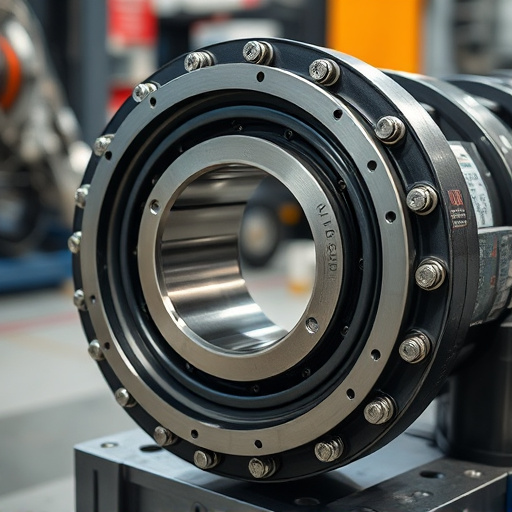
Accessing and Assessing Drum Bearings is a crucial step in addressing loud spin noises emanating from your washing machine. Major Appliances like these often require periodic maintenance to ensure optimal performance and prolong their lifespan. When persistent noise during the spin cycle arises, it’s frequently an indicator of worn or damaged drum bearings. These components play a vital role by supporting the rotation of the drum, so any deterioration can lead to unusual sounds.
The process of access begins with locating the bearing on the machine’s interior. This typically involves removing the top or front panel of the washing machine for direct visibility. Once exposed, technicians can inspect the condition of the bearings, looking for signs of wear, damage, or excessive play. Bearing assessment should consider factors like noise level, drum stability during rotation, and any visible debris that might hinder smooth operation. Using appropriate tools, such as torx screwdrivers for specific models, allows for precise manipulation to confirm bearing integrity.
Practical advice for homeowners includes consulting user manuals for detailed disassembly procedures tailored to their machine’s make and model. Regular cleaning of the drum area can prevent foreign objects from causing noise later on. In some cases, simple lubrication of bearings with recommended greases might extend their life. However, if damage is evident, replacement is advised for both safety and to restore quiet, efficient operation. Many modern appliances come equipped with durable, long-lasting bearings, but over time, even these can degrade, underscoring the importance of regular care in Major Appliance maintenance.
Effective Replacement Strategies for Quiet Operation
Loud spin noises from your washing machine drum can disrupt household routines and even cause stress. Effective replacement strategies for these bearings are key to achieving quiet operation of major appliances like washing machines, ensuring a peaceful home environment.
When addressing loud spin noises, it’s important to first pinpoint the source. The drum bearing is a common culprit, as it supports the rotating drum and can wear out over time. Worn bearings often result in grinding or squealing sounds during the spin cycle. Regular maintenance can prevent this issue, but for many, replacement becomes necessary. Quality replacements from reputable suppliers are essential to avoid further damage.
Experienced technicians recommend a systematic approach. First, disconnect the power and water supply to ensure safety. Then, carefully remove the drum, accessing the bearing. Inspect it for damage or excessive wear, using data from manufacturer specifications as a benchmark. If the bearing is damaged beyond repair, replace it with an OEM (Original Equipment Manufacturer) part designed specifically for your machine model. This ensures precise fit and optimized performance. After installation, reattach the drum and reconnect utilities, testing the machine’s operation to verify quiet performance.
Remember, proper replacement techniques are crucial for long-lasting results. Following these steps, you can address loud spin noises effectively, ensuring your washing machine operates silently and efficiently, contributing to a more peaceful home environment.
By addressing loud spin noises in major appliances, particularly through meticulous identification of bearing issues and strategic replacement methods, homeowners can significantly enhance their washing machine’s quietness and performance. This article has equipped readers with crucial insights on diagnosing and rectifying common problems within drum bearings, a key component often overlooked but integral to smooth operation. Understanding the importance of these bearings in major appliances allows for proactive maintenance, ensuring longevity and minimizing disruptive noises that can disrupt households. With practical strategies outlined, readers are now empowered to tackle spin noise issues effectively, contributing to more peaceful and efficient laundry experiences.