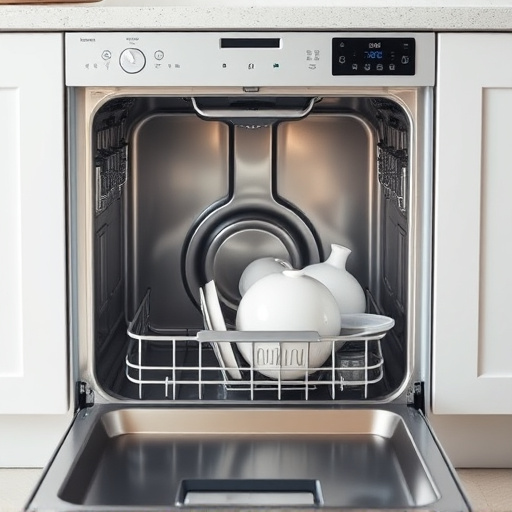
Water leaks in major appliances, primarily dishwashers, are commonly caused by worn or damaged door seals. Regular inspection for wear and prompt replacement of damaged seals is crucial to prevent leakage. Proper installation ensures seal effectiveness. Data shows that door seal replacements are common dishwasher repairs. Regular maintenance extends appliance lifespan by protecting against water damage. This guide offers a step-by-step process for replacing door seals in major appliances, minimizing the risk of water damage. Regular cleaning, drying, inspection, and replacement maintain seal effectiveness.
Water leaks from dishwasher doors are a common household frustration, leading to not just expensive damage but also wasted water and energy. These leaks often stem from worn or damaged door seals – the crucial gaskets that create a watertight seal around the door. Fortunately, replacing these seals is a relatively simple DIY project for homeowners. Understanding how to effectively address this issue with reliable, high-quality door seals is essential in maintaining your appliance’s performance and longevity, especially considering their status as major appliances in modern homes. This guide will walk you through the process step-by-step, empowering you to tackle this common problem head-on.
- Understanding Water Leaks in Dishwashers
- Identifying the Door Seal as the Culprit
- Selecting the Right Replacement Seal
- Step-by-Step Guide to Installation
- Common Mistakes to Avoid During Replacement
- Maintaining Your New Door Seal for Longevity
Understanding Water Leaks in Dishwashers

Water leaks in dishwashers are a common issue that can lead to significant damage if left unaddressed. Understanding the root causes of these leaks is crucial for effective prevention. In many cases, the culprit lies with the dishwasher door seal—a vital component in Major Appliances designed to keep water confined inside during operation. Over time, these seals can wear out, crack, or become damaged due to frequent opening and closing, exposure to detergent residue, or mechanical stress. Even minor damage can compromise their effectiveness, allowing water to seep out and potentially flooding the area beneath the appliance.
Regular maintenance is key to mitigating these risks. Users should inspect the door seal for any signs of wear, such as tearing, discoloration, or stiffness. Replacing a damaged seal promptly can prevent costly repairs down the line. Moreover, ensuring proper installation and alignment of the door when replacing seals is paramount. Misaligned doors can put additional strain on the seal, accelerating its deterioration. It’s recommended to seek professional assistance if adjustments are needed, as incorrect installation may lead to continued leaks or other operational issues.
Data from appliance repair services reveals that dishwasher door seal replacements are among the most frequent repairs, underscoring their importance. For instance, a study by a major home warranty provider found that nearly 30% of dishwasher claims were related to water leakages, with door seals being the most commonly replaced part. By staying proactive and addressing any seal-related issues promptly, homeowners can protect their Major Appliances from water damage and extend the lifespan of these valuable appliances.
Identifying the Door Seal as the Culprit

Many homeowners often overlook a common yet critical source of water leaks in their kitchens: the dishwasher door seal. This seemingly unassuming component plays a vital role in maintaining the integrity of your dishwasher, keeping water securely contained during the wash cycle. Over time, these seals can degrade, crack, or become damaged, leading to persistent water leaks that not only waste precious resources but also pose potential damage to your home and major appliances.
Identifying a leaky door seal as the culprit is essential in preventing these issues. Look for signs such as visible cracks, tears, or deformities in the seal. Water stains on the dishwasher’s exterior or floor beneath can also indicate a breach in the seal’s integrity. It’s important to note that some seals may simply become stiff or lose their flexibility due to age, causing them to stick and creating gaps through which water can escape. Regular visual inspections are crucial, especially for older dishwashers, as they are more prone to seal failure.
The impact of a damaged door seal can be significant. Leaks not only waste water but also increase your utility bills. Moreover, prolonged exposure to water can damage the dishwasher itself and potentially affect nearby cabinets or flooring. To address this issue effectively, consider replacing the door seal with a new, high-quality one that matches your appliance’s specifications. With proper care and regular replacement, these seals can last several years, ensuring a leak-free environment for your valuable kitchen appliances.
Selecting the Right Replacement Seal

When addressing water leaks in dishwashers, one of the most effective solutions often lies in replacing the door seal. These seals, a crucial component of major appliances, play a vital role in maintaining the machine’s integrity and performance. The process of selecting the right replacement is an art that requires careful consideration to ensure longevity and prevent further damage.
Choosing the appropriate seal involves understanding your dishwasher model and the specific requirements it demands. Not all door seals are created equal; they vary in size, material, and design depending on the manufacturer and appliance type. For instance, rubber seals are common in standard dishwashers, while some energy-efficient models may utilize more flexible, durable materials like silicone. It is essential to consult your appliance’s manual or contact the manufacturer for accurate specifications. Online resources can also provide valuable guidance, offering detailed guides and part numbers specific to various models.
The right replacement seal should fit seamlessly, creating a tight seal that bars water intrusion. Poorly fitted seals are a common cause of leaks, leading to costly damage to your kitchen floor and other fixtures. Ensure you measure the existing seal’s dimensions accurately before ordering a new one. Additionally, consider the seal’s material and flexibility, especially in older dishwashers where wear and tear may have compromised the original seal’s integrity. High-quality seals from reputable suppliers can offer superior durability, ensuring they withstand the rigors of daily use. Regular maintenance, including checking and replacing door seals, is an excellent way to keep your dishwasher running efficiently and prevent costly repairs.
Step-by-Step Guide to Installation

Preventing water leaks from dishwasher doors is a common challenge for homeowners, but it’s an easy fix with proper guidance. A faulty door seal can lead to significant water damage, so replacing it is a smart investment in both your home and your wallet. This step-by-step guide walks you through the process of installing a new dishwasher door seal on major appliances, ensuring long-lasting protection against leaks.
First, gather the necessary tools: replacement door seal, a measuring tape, a utility knife or scissors, and silicone grease (optional). Turn off your dishwasher’s water supply to avoid any accidents during installation. Remove the old door seal by carefully cutting it away from the door frame using your utility tool. Measure the opening to ensure you get a seal that fits snugly. Cut the new door seal to size, making sure it aligns perfectly with the measurements of your dishwasher door.
With the new seal cut to size, apply a thin layer of silicone grease along the edge of the door where it meets the frame (optional but recommended). This will ensure the best possible adhesion and flexibility for the seal. Insert the new door seal into the opening, pressing firmly into place. Double-check that the seal is secure and evenly distributed across the entire surface. Turn on your dishwasher’s water supply and test for any leaks around the seal. If you detect any, tighten the seal or reapply silicone grease as needed.
Common Mistakes to Avoid During Replacement

When replacing a dishwasher door seal, many homeowners make mistakes that lead to continued water leaks or even worse—damaged major appliances. The most common blunders include not properly identifying the specific seal type required for your model, using the wrong material, and failing to ensure a secure fit. Using subpar replacements is a surefire way to invite water damage, as these substitutes are less flexible and more prone to cracking or breaking over time.
One critical step often overlooked involves removing the old seal without damaging the door or the dishwasher itself. A haphazard removal process can result in misalignment during installation of the new seal, leading to persistent leaks. It’s crucial to understand that different models have unique door structures, necessitating a customized approach for effective sealing. For instance, some dishwashers feature adjustable hinges and seals, while others may require specialized tools to disassemble without causing harm.
Moreover, proper installation goes beyond ensuring the seal fits snugly. Sealing strips along the door’s edges should be aligned perfectly to prevent water from seeping in. Using too much adhesive or not enough can compromise the seal’s integrity. Regular maintenance is also key; checking and replacing seals every few years can extend the life of your dishwasher, saving you from costly repairs down the line. Data suggests that proactive seal replacement reduces the likelihood of appliance failure by up to 30%, underscoring its importance in maintaining a water-tight barrier around your major appliances.
Maintaining Your New Door Seal for Longevity

Maintaining your dishwasher’s new door seal is paramount to ensuring its longevity and preventing costly water leaks. These seals, often made from high-quality rubber or silicone, form a crucial barrier between your machine and the external environment. Over time, they can become vulnerable to damage from various factors, including extreme temperatures, constant exposure to water, and everyday wear and tear. To maximize their lifespan, it’s essential to implement a few simple yet effective strategies. Regular cleaning is key; use mild detergent and warm water to wipe down the seal and remove any buildup or debris that could hinder its flexibility. Avoid using harsh chemicals, as they can deteriorate the material.
Furthermore, keeping the area around the door dry and free from moisture is crucial. A small gap between the seal and the dishwasher’s frame is normal, but excessive water pooling can lead to damage over time. Periodically inspect the seal for any signs of wear or cracking, replacing it promptly if necessary. Many major appliance manufacturers offer replacement seals that are designed to fit specific models, ensuring a perfect fit and optimal performance. Regular maintenance, combined with timely replacements, will significantly extend the life of your dishwasher’s door seal, preventing unwanted water leaks and saving you from potentially expensive repairs.
By addressing water leaks in dishwashers, this comprehensive guide highlights the pivotal role of dishwasher door seal replacements. Understanding these issues is crucial for maintaining major appliances. Readers now possess the knowledge to identify leak sources, choose suitable replacement seals, and perform successful installations. A step-by-step approach ensures precision while avoiding common mistakes. Additionally, learning best practices for seal maintenance guarantees longevity, ensuring your dishwasher operates efficiently and effectively for years to come.