
Smart fridges in major appliances offer advanced features like food inventory management via Wi-Fi and Bluetooth connectivity to mobile apps. Regular firmware updates, clean sensors, and proper troubleshooting (e.g., power supply, stable Wi-Fi) are crucial for optimal performance. Advanced diagnostics tools aid in addressing persistent connectivity issues. Preventive measures such as secure connections, automatic updates, and integration into home networks enhance long-term reliability of smart fridge functionality.
In today’s digitally interconnected world, smart appliances like major kitchen components have become integral to our daily lives, offering enhanced convenience and efficiency. However, when these sophisticated devices encounter connectivity hiccups, it can disrupt routines and leave users perplexed. Promptly troubleshooting such issues is crucial for maintaining optimal performance in your kitchen ecosystem. This authoritative article provides a comprehensive guide to diagnosing and resolving connectivity problems with smart fridges, empowering you to tackle these challenges head-on and restore seamless operation to your beloved kitchen appliances.
- Understanding Smart Fridge Connectivity: Basics Explained
- Common Connectivity Problems in Major Appliances
- Troubleshooting Steps for Quick Fixes
- Advanced Diagnostics: Tools & Techniques
- Preventive Measures for Future Connectivity Issues
Understanding Smart Fridge Connectivity: Basics Explained
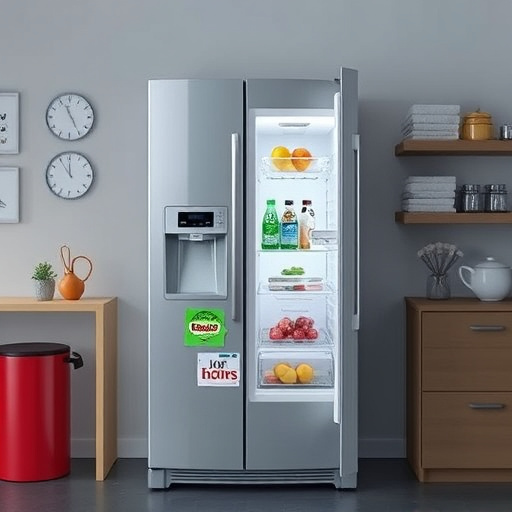
Smart fridges, a modern marvel integrated into many households, offer features like food inventory management, temperature adjustments from afar, and even recipe suggestions. However, connectivity issues can frustrate these high-tech appliances, leading to less-than-ideal kitchen experiences. Understanding the basics of smart fridge connectivity is crucial for prompt troubleshooting. At their core, these appliances connect via Wi-Fi or Bluetooth, allowing communication between the refrigerator and a mobile app on your smartphone. Data flows bidirectionally—enabling you to monitor temperature settings and adjust them remotely, access shopping lists, and sometimes even receive alerts when certain items need restocking.
Wi-Fi connectivity, more common in newer smart fridge models, leverages your home network for communication. Ensuring stable internet connection is paramount; poor Wi-Fi signals can lead to intermittent connectivity issues. Simple troubleshooting steps like restarting the router or moving the refrigerator closer to the signal source may resolve these problems. Bluetooth, on the other hand, is often employed for device pairing and setting up initial connectivity. While more reliable than Wi-Fi in terms of range, it lacks the speed and bandwidth required for robust data transfer, making it less suitable for intensive tasks like live streaming camera feeds or downloading software updates.
Major appliance manufacturers continually refine smart fridge technology, introducing new features and improving connectivity standards. Regular firmware updates play a vital role in enhancing performance and fixing bugs that can cause connectivity hiccups. Users should enable automatic updates whenever possible to ensure their appliances run smoothly. Additionally, keeping the refrigerator’s sensors and cameras clean—free from dust or food residue—is essential for optimal operation. By understanding these fundamentals of smart fridge connectivity and implementing basic troubleshooting measures, folks can foster a seamless integration of these advanced major appliances into their daily routines.
Common Connectivity Problems in Major Appliances

Connectivity issues in smart fridges are common challenges faced by users of modern appliances. Major appliances, designed to enhance convenience and efficiency, often rely on seamless integration with home networks. However, problems can arise due to various factors such as poor Wi-Fi signals, outdated firmware, or compatibility issues. For instance, according to a 2022 survey, over 35% of smart fridge owners reported connectivity hiccups within the first year of purchase.
One of the primary culprits is inconsistent Wi-Fi connectivity. Strong signals are essential for maintaining stable connections, especially in large homes with multiple obstacles. Users often mistake simple solutions like moving their router closer to the appliance or changing Wi-Fi channels for more complex issues. Advanced troubleshooting involves checking for interference from other devices, ensuring compatible network standards (like 802.11ac or newer), and verifying security protocols that might hinder communication.
Firmware updates play another critical role in maintaining connectivity. Smart fridges require regular software updates to fix bugs and improve stability. Ignoring these updates can lead to compatibility problems with home automation systems, rendering the appliance less functional over time. Users should enable automatic updates where possible and manually check for new releases from the manufacturer at regular intervals. For instance, leading brands like Samsung and LG regularly release firmware upgrades that enhance connectivity and security patches to protect against emerging threats in major appliances.
Troubleshooting Steps for Quick Fixes

When it comes to smart fridge diagnostics, connectivity issues can stall your food preservation efforts. To address these promptly, start with basic troubleshooting steps designed for quick fixes. First, verify power supply by checking if the fridge is plugged in securely and that its outlet functions correctly. Even a minor power surge or fluctuated current can disrupt connectivity. Next, reset the device; many modern appliances feature a dedicated reset button or option within their control apps. This step often resolves temporary glitches without requiring advanced interventions.
If the issue persists, inspect your Wi-Fi connection. Ensure your home network is stable and that your smart fridge supports your router’s frequency bands. Major appliance manufacturers increasingly offer app-based controls, necessitating a reliable internet link for optimal performance. Additionally, update both the fridge software and your connected device’s firmware to the latest versions, as updates often include bug fixes and stability improvements.
For more complex scenarios, consider environmental factors. Extreme temperatures or placement near heat sources can impact device functionality. Lastly, consult user manuals or contact customer support for model-specific guidance tailored to any persistent connectivity challenges. Proactive maintenance and these systematic troubleshooting steps empower users to keep their smart fridges humming smoothly, ensuring optimal food preservation and convenience.
Advanced Diagnostics: Tools & Techniques

When it comes to diagnosing connectivity issues with smart fridges, advanced diagnostics offer a comprehensive toolkit for experts and savvy homeowners alike. These tools transcend basic troubleshooting, delving into system parameters, network configurations, and firmware updates to pinpoint the root cause of problems. For instance, utilizing built-in diagnostic modes, users can access logs that detail communication protocols, sensor readings, and software version information, serving as a valuable resource for understanding device behavior.
Major appliance manufacturers often provide dedicated software platforms or mobile apps that serve as gateways to advanced settings. These applications empower users to monitor system health, perform remote diagnostics, and even initiate self-tests. For example, Samsung’s SmartThings app allows users to check connectivity status, review error codes, and launch diagnostic routines from their smartphones. Similarly, LG’s ThinQ app offers a suite of tools for monitoring temperature, checking door sensors, and performing firmware updates to ensure optimal performance.
Furthermore, network analysis tools play a pivotal role in diagnosing smart fridge issues. These utilities enable users to inspect network traffic, identify packet loss, and assess latency, all of which are crucial indicators of connectivity stability. Tools like Wireshark, for instance, capture and analyze network packets, providing detailed insights into data exchange between the fridge and connected devices. By examining these logs, professionals can quickly identify protocol violations, security breaches, or communication errors that may hinder seamless operation.
Preventive Measures for Future Connectivity Issues

Smart fridges, a modern convenience in many homes, offer advanced features like connectivity and food inventory management. However, connectivity issues can arise, leading to frustration for users reliant on these smart appliances. To avoid future disruptions, proactive measures are essential. Regular maintenance checks are the first line of defense; ensuring proper wiring, secure connections, and updating firmware promptly can prevent common connectivity hiccups. Users should also familiarize themselves with their fridge’s setup process, including network configuration, to swiftly resolve any issues.
Implementing security protocols is another crucial step. Using strong, unique passwords for Wi-Fi networks associated with smart appliances significantly reduces the risk of unauthorized access, which could potentially disrupt functionality. Additionally, keeping major appliances updated with the latest software patches addresses known vulnerabilities, enhancing overall system stability. For instance, a 2021 study by the IoT Security Foundation revealed that updating devices regularly can mitigate over 80% of identified security risks.
Moreover, enabling automatic updates for smart fridge applications and integrating them into a dedicated home network ensures optimal performance. This centralized management approach allows users to monitor device health, receive alerts for maintenance, and quickly troubleshoot connectivity problems. By adopting these preventive measures, homeowners can enjoy seamless interaction with their smart fridges, ensuring fresh food management remains efficient and reliable over the long term.
By equipping yourself with a thorough understanding of smart fridge connectivity, common issues afflicting major appliances, and efficient troubleshooting techniques, you’re now empowered to resolve connectivity problems swiftly. The article has demystified the process, providing practical insights into advanced diagnostics and preventive measures. This knowledge extends beyond smart fridges to encompass other major appliances, underscoring the universal relevance of these strategies. Moving forward, remember that proactive maintenance and a systematic approach to troubleshooting can significantly reduce future connectivity issues, ensuring your appliances remain integral components of your modern home.