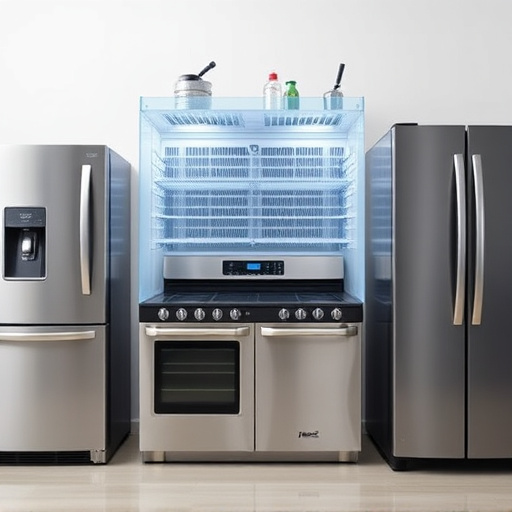
Regular cleaning of condenser coils in major appliances like refrigerators and air conditioners is essential for optimal performance and energy efficiency. Dust and debris buildup reduces heat transfer, decreasing cooling efficiency and increasing energy costs. Cleaning every 3-6 months can enhance efficiency by up to 30%, saving on utility bills and prolonging appliance lifespan.
In the realm of major appliances, efficient cooling is paramount, impacting energy consumption and operational costs. Refrigerator condenser coil cleaning emerges as a game-changer in enhancing cooling efficiency, addressing a pervasive yet overlooked issue. Over time, these coils accumulate dust, dirt, and debris, hindering airflow and reducing the system’s overall performance. This not only compromises the refrigerator’s ability to maintain optimal temperatures but also leads to increased energy usage. By delving into the significance of regular cleaning, this article offers a comprehensive guide to optimizing your appliance’s performance and promoting sustainability.
- Understand the Role of Condenser Coils in Major Appliances
- Effective Cleaning Methods for Optimal Cooling Efficiency
Understand the Role of Condenser Coils in Major Appliances
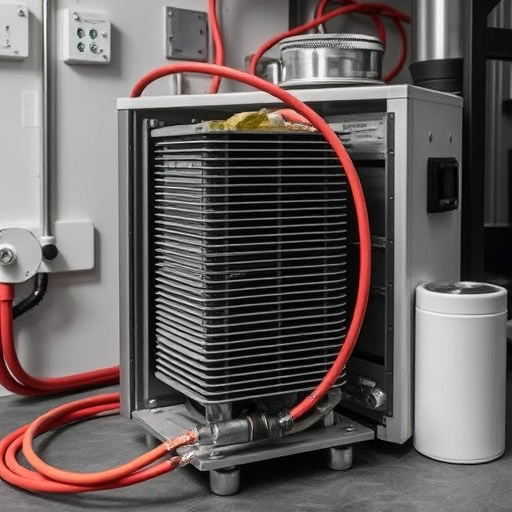
Condenser coils are vital components in major appliances, playing a crucial role in maintaining optimal cooling performance. These intricate coils, often located on the exterior of appliances like refrigerators or air conditioners, facilitate the transfer of heat from the interior to the outside environment, thereby achieving efficient cooling. Their design allows for the condensation of refrigerant gases, which, upon evaporation, absorb heat from the refrigerated space or indoor air conditioning system. This process is fundamental to keeping food fresh in refrigerators and ensuring comfortable indoor temperatures during hot seasons.
In major appliances, regular cleaning and maintenance of condenser coils are essential to preserve their efficiency and prolong the lifespan of the appliance. Over time, these coils can accumulate dust, dirt, and debris, leading to reduced heat transfer capabilities. As a result, the appliance may struggle to maintain set temperatures, consume more energy, and eventually experience performance degradation. Studies show that a clean condenser coil can enhance cooling efficiency by up to 30%, significantly reducing energy consumption and lowering operating costs for these essential household and commercial devices.
To ensure optimal performance, it is recommended to regularly inspect and clean condenser coils as part of routine maintenance routines. For instance, in high-allergen environments or areas with significant outdoor dust, cleaning every three months can be beneficial. In more temperate zones, biannual cleaning may suffice. This involves removing the coils from the appliance (if accessible), hosing them down with water to dislodge debris, and using a soft brush to scrub away any stubborn residue. Following this simple yet effective practice can contribute significantly to the longevity of major appliances, ensuring they remain efficient powerhouses in modern homes and businesses.
Effective Cleaning Methods for Optimal Cooling Efficiency
Maintaining optimal cooling efficiency in major appliances like refrigerators is not just about energy conservation; it’s a matter of longevity and performance for these essential kitchen workhorses. One often overlooked yet critical aspect of this maintenance is regular cleaning of the refrigerator condenser coil. The condenser coil, responsible for transforming hot refrigerant into cold air, can accumulate dust, dirt, and other debris over time, significantly reducing its efficiency.
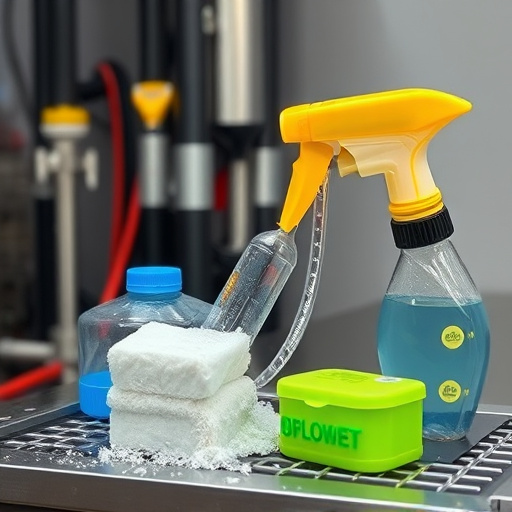
Effective cleaning methods involve several steps. First, unplug the refrigerator and turn it upside down to remove any accessible condensate. Then, using a vacuum cleaner with a soft brush attachment, carefully suck away dust and debris from both the visible coil and the surrounding area. For more stubborn particles, a gentle application of compressed air can dislodge them without damaging the delicate coil. It’s essential to be thorough yet careful, as even small amounts of residue can hinder airflow and decrease cooling performance.
Additionally, some experts suggest using mild soap solutions or isopropyl alcohol for deep cleaning. A soft cloth dampened with these substances can gently wipe away any remaining grime. After cleaning, allow the coil to dry completely before reassembling the refrigerator. Regular maintenance, perhaps every 3-6 months depending on your environment and usage, ensures peak performance and extends the life of your cooling system. Data from leading appliance manufacturers supports this frequency, showing that clean coils can enhance energy efficiency by up to 30%, saving users significant amounts in utility bills.
By understanding the critical role condenser coils play in major appliances’ performance, particularly in cooling efficiency, this article has empowered readers with valuable insights. Effective cleaning methods, as discussed, are essential to maintaining optimal cooling efficiency, ensuring these coils function at their best. Moving forward, homeowners and appliance technicians alike can take practical steps by regularly inspecting and cleaning condenser coils to enhance overall system efficiency, reduce energy consumption, and prolong the lifespan of major appliances. This simple yet effective practice underscores the importance of regular maintenance in achieving peak cooling performance across various household devices.