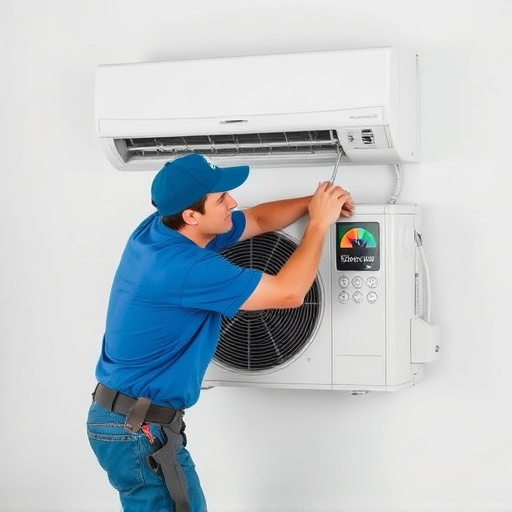
Introduction
In our modern world, major appliances are the cornerstone of household efficiency, industrial productivity, and personal comfort. They represent a fusion of technology and utility, enhancing the quality of life by performing tasks that would otherwise be time-consuming or physically demanding. This comprehensive article will delve into the intricacies of major appliances, their global impact, economic significance, technological evolution, policy frameworks, challenges, and future prospects. By the end of this exploration, readers will have a nuanced understanding of how these ubiquitous devices shape our daily lives, economies, and environments.
Understanding Major-Appliances
Major appliances are machines used in homes, commercial establishments, and industries for performing domestic or technical functions. They range from refrigerators and washing machines to industrial-scale machinery like centrifugal pumps and air conditioners. These appliances are integral to modern living, offering convenience, efficiency, and hygiene. Their core components include motors, compressors, heating elements, sensors, and control systems, all of which work in harmony to deliver their respective functions.
Historically, the development of major appliances has been a testament to human ingenuity and the pursuit of progress. From the invention of the mechanical refrigerator in the early 20th century to the smart, energy-efficient appliances of today, each advancement has significantly impacted society. These appliances are a critical component of the broader landscape of technological innovation, reflecting societal needs, environmental concerns, and economic shifts.
Global Impact and Trends
The global impact of major appliances is profound. They are a significant driver of economic growth, influencing industries ranging from manufacturing to services. Trends such as the rise of smart homes, energy-efficient technology, and the increasing demand for sustainable living solutions are shaping the trajectory of this sector. In developed nations like the United States and Europe, the focus is on energy conservation and integration with renewable energy sources. In emerging economies, the challenge lies in meeting the growing demand for appliances while ensuring accessibility and affordability.
Economic Considerations
The economic landscape of major appliances is multifaceted. It encompasses market dynamics influenced by consumer preferences, technological advancements, and global economic conditions. Investment patterns in this sector are driven by the potential for innovation, cost reduction, and sustainable practices. Major-appliances play a pivotal role in economic systems, contributing to job creation, industrial growth, and innovation. They also represent a substantial market segment with significant investment opportunities.
Technological Advancements
Technological advancements have revolutionized the major-appliance industry. Innovations such as the Internet of Things (IoT) have led to the development of smart appliances capable of self-diagnosis, energy management, and even remote operation. These advancements not only enhance user experience but also contribute to energy savings and environmental sustainability. The future potential of major-appliances lies in their integration with artificial intelligence (AI), machine learning, and advanced materials that could lead to more efficient, durable, and eco-friendly products.
Policy and Regulation
Policies and regulations play a crucial role in governing the development and use of major appliances. International bodies like the United Nations and regional organizations such as the European Union have established standards and guidelines to ensure safety, energy efficiency, and environmental protection. These frameworks not only dictate design and performance criteria but also influence consumer behavior and market competition. Compliance with these regulations is essential for manufacturers looking to operate within international markets.
Challenges and Criticisms
Major-appliances face several challenges, including energy consumption, electronic waste, and the integration of sustainable materials. Critics argue that while appliances have brought convenience, they also contribute to a culture of excess and environmental degradation. Addressing these issues requires a multifaceted approach, including the development of more energy-efficient designs, recycling programs, and consumer education on sustainable practices.
Case Studies
Several case studies illustrate the successful application of major appliances. For instance, LG’s development of Direct Drive technology in washing machines has set a new standard for efficiency and durability. Samsung’s Family Hub refrigerator showcases how IoT can enhance kitchen management and family connectivity. These examples serve as valuable lessons in innovation, market responsiveness, and consumer engagement.
Future Prospects
The future prospects of major appliances are promising. Growth areas include smart home integration, energy storage solutions, and the development of appliances tailored to the needs of different demographic groups. Emerging trends suggest a move towards more sustainable and modular designs that can adapt to changing lifestyles and technological advancements. Strategic considerations for manufacturers will revolve around innovation, sustainability, and responsiveness to consumer demands.
Conclusion
In conclusion, major appliances are indispensable in our modern world, influencing economic systems, shaping societal norms, and contributing to environmental challenges. Their historical significance, current impact, and future potential underscore their importance in the landscape of technology and daily life. As we move forward, it is imperative that we continue to innovate, regulate, and address the challenges associated with these ubiquitous devices to ensure they remain a positive force for society.
FAQ Section
-
What are major appliances? Major appliances are machines used in households and commercial establishments for tasks such as cooking, cleaning, refrigeration, and laundry. They include items like refrigerators, washing machines, ovens, and air conditioners.
-
Why are smart appliances gaining popularity? Smart appliances are gaining popularity due to their convenience, energy efficiency, and the ability to connect with other devices within a smart home ecosystem.
-
What are some of the environmental challenges associated with major appliances? Environmental challenges include high energy consumption, electronic waste from discarded appliances, and the use of non-sustainable materials in manufacturing.
-
How do regulations impact the major-appliance industry? Regulations set performance standards, safety requirements, and environmental benchmarks that manufacturers must adhere to. These guide the innovation process and influence market competition by favoring products that meet these criteria.
-
What trends are shaping the future of major appliances? Key trends include integration with renewable energy sources, development of sustainable materials, IoT connectivity, and appliances that cater to diverse consumer needs and preferences.
Air conditioner compressor failures, common in peak seasons, cause performance issues and increased energy bills. Major causes include age, contamination, motor overload, leaks, and humidity. Regular cleaning, inspections, genuine parts, and adherence to guidelines extend compressor life (up to 30% energy savings). Modern variable-speed technology enhances efficiency. Annual professional checks prevent leaks, worn valves, and motor failure, saving costs and environmental harm. Proactive maintenance ensures optimal cooling for major appliances during summer months.
In the dog days of summer, nothing beats the comfort provided by a functioning air conditioner compressor—a silent guardian against the sweltering heat. Yet, these vital components of our Major Appliances often face wear and tear, rendering them inefficient or outright inoperable. The ensuing challenge is twofold: to address the immediate need for cooling and to embark on efficient, cost-effective repairs that ensure longevity. This article delves into the intricacies of air conditioner compressor repairs, offering practical insights to combat summer heat efficiently while preserving these indispensable household workhorses.
Understanding Air Conditioner Compressor Failures in Major Appliances
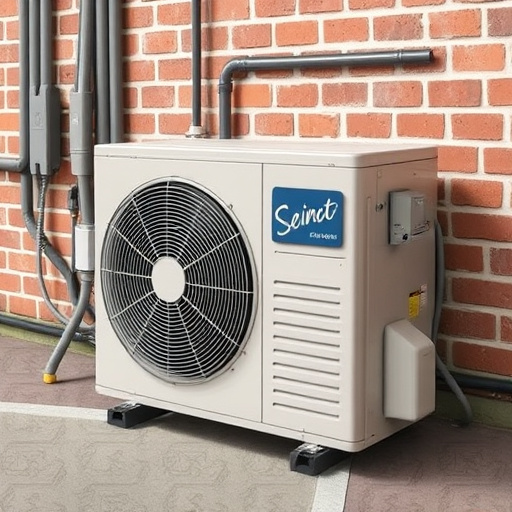
Air conditioner compressors are the heart of cooling systems in major appliances, and their failure can lead to significant discomfort during the summer months. Understanding these failures is crucial for efficient maintenance and repair, ensuring these essential home devices operate reliably. Compressor issues often manifest as reduced cooling performance, unusual noises, or even complete shutdowns. In major appliances like air conditioners, compressors typically fail due to a combination of factors: age-related wear and tear, contamination from dust or debris, motor overload, or refrigerant leaks. According to industry data, compressor failures account for approximately 60% of all air conditioner repair calls during peak seasons.
One common cause is the accumulation of moisture or condensation inside the unit, leading to corrosion and electrical shorts. Major appliances operating in humid environments are particularly vulnerable. Additionally, improper installation or maintenance can strain the compressor, causing premature failure. For instance, an improperly sized air conditioner for a given space may overwork the compressor, resulting in frequent breakdowns. Regular cleaning and maintenance, including checking refrigerant levels and replacing filters, can significantly extend compressor life.
Experts recommend scheduling professional inspections annually to identify potential issues early. When repairing or replacing compressors, it’s vital to use genuine parts and adhere to manufacturer guidelines. Modern compressors incorporate advanced features like variable-speed technology for enhanced energy efficiency. By understanding the common failure modes and implementing proactive maintenance, homeowners can ensure their air conditioners provide optimal cooling, making summer days much more bearable.
Efficient Repairs for Sustained Cooling This Summer
In the dog days of summer, efficient air conditioner compressor repairs are paramount to maintaining a comfortable living environment. The compressor, often considered the heart of a cooling system, plays a crucial role in circulating refrigerant and delivering chilled air. When this critical component malfunctions, it can lead to significant discomfort and increased energy bills. According to a study by the U.S. Department of Energy, proper maintenance and timely repairs can reduce energy consumption by major appliances like air conditioners by up to 30%.
Expert technicians emphasize the importance of regular check-ups to identify potential issues early on. Common problems include refrigerant leaks, worn valves, and motor failure. Prompt repair not only ensures sustained cooling but also prevents further damage. For instance, a leaking refrigerant can lead to a decrease in cooling efficiency and even pose environmental hazards if not addressed promptly. Moreover, neglecting routine maintenance can cause more extensive—and costly—repairs down the line.
To optimize your air conditioner’s performance this summer, consider proactive measures. Regular cleaning of filters and coils enhances airflow and refrigeration capacity. Additionally, scheduling professional inspections annually can help identify potential problems before they escalate. When repairs are necessary, opt for licensed technicians who specialize in modern energy-efficient technology. These experts have the tools and knowledge to perform precise diagnostics, ensuring your air conditioner operates at peak efficiency, providing you with years of reliable cooling.
By understanding the common failures of air conditioner compressors in major appliances and implementing efficient repair strategies, homeowners can ensure sustained cooling this summer. Regular maintenance and prompt attention to issues like unusual noises, energy efficiency drops, or freezing up are key to preventing major breakdowns. Armed with this knowledge, folks can tackle minor repairs themselves, saving time and money, while also extending the lifespan of these essential Major Appliances. This proactive approach not only keeps homes comfortable but also demonstrates the value of prioritizing appliance maintenance.