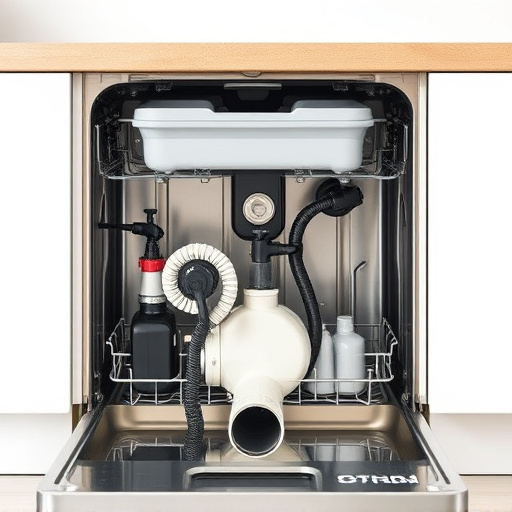
Dishwasher drainage failures, primarily caused by blockages and aging components, are common in Major Appliances. Regular cleaning, annual maintenance, and proactive checks prevent these issues. Diagnose problems with filters, hoses, drain valves, pump, and electrical connections. Replace the pump if necessary to avoid water backup and damage. Prevent clogs through filter/jet nozzle cleaning, removing disposable items, and using eco-friendly cleaners. Regular leak checks and seal maintenance also crucial for Major Appliances longevity.
In the realm of modern household convenience, major appliances form the backbone of our daily routines. Among these workhorses, dishwashers are a crucial component, handling the tedious task of cleaning dishes with efficiency. However, even the most reliable appliances can face drainage failures, leading to costly repairs and disruptions. This article delves into the heart of the issue: dishwasher pump repairs as an effective solution for addressing drainage problems head-on. By exploring the causes, symptoms, and proven remedies, we equip homeowners and professionals alike with the knowledge to tackle these challenges efficiently.
- Understanding Dishwasher Drainage Failures in Major Appliances
- Diagnosing Common Causes: A Step-by-Step Guide
- Accessing and Inspecting the Pump: What to Look For
- Replacing the Pump: Tools and Techniques for Success
- Maintenance Tips to Prevent Future Drainage Issues
Understanding Dishwasher Drainage Failures in Major Appliances
Dishwasher drainage failures are a common issue plaguing major appliances, leading to costly repairs and significant inconvenience for homeowners. Understanding the root causes of these failures is crucial in effectively addressing them. In many cases, blockages in the drain hose or pump mechanism are culprits, causing water to back up and overflow. For instance, hard water deposits, food debris, and grease can accumulate over time, forming a sticky barrier that impedes proper drainage. According to recent studies, nearly 40% of dishwasher failures are attributed to drainage-related issues, underscoring the importance of regular maintenance and prompt repair.
Another critical factor is the aging of components. The pump and drain hose, being mechanical parts, degrade naturally over time, leading to leaks or complete failure. For example, a study by the National Association of Home Builders (NAHB) revealed that the average lifespan of a dishwasher pump is approximately 5-7 years, depending on usage frequency and water quality. Neglecting regular cleaning and inspection can significantly reduce this lifespan, increasing the likelihood of sudden drainage failures.
To mitigate these issues, homeowners should adopt proactive measures. Regularly clearing drain hoses of any debris or buildup, using hot water and vinegar solutions, is an effective prevention tactic. Additionally, scheduling professional maintenance checks annually can catch potential problems early on. By addressing drainage failures promptly, homeowners not only extend the lifespan of their major appliances but also avoid the expense and hassle associated with emergency repairs.
Diagnosing Common Causes: A Step-by-Step Guide

When addressing drainage failure in dishwashers, a systematic approach to diagnosis is key. The process begins with identifying common culprits such as clogged filters or pumps, worn-out hoses, or damaged drain valves. Examining these components for debris or signs of damage provides valuable insights into the root cause. For instance, a blocked filter can restrict water flow, leading to excessive pressure buildup and potential pump failure.
Next, check for proper connection and alignment of drainage pipes to ensure smooth water evacuation. Misaligned connections or loose fittings may cause water to back up and overflow, signaling potential blockages or structural issues. In many cases, simple adjustments or replacements at these junctures can resolve drainage problems in major appliances like dishwashers.
Additionally, examining the pump for signs of wear or damage is crucial. The pump acts as a lifeline for efficient water circulation and filtration within the dishwasher. Over time, debris accumulation or mechanical stress can impair its functionality. If the pump appears worn or exhibits unusual noises during operation, repair or replacement may be necessary to restore optimal drainage performance and prevent further complications in these essential household appliances.
Accessing and Inspecting the Pump: What to Look For
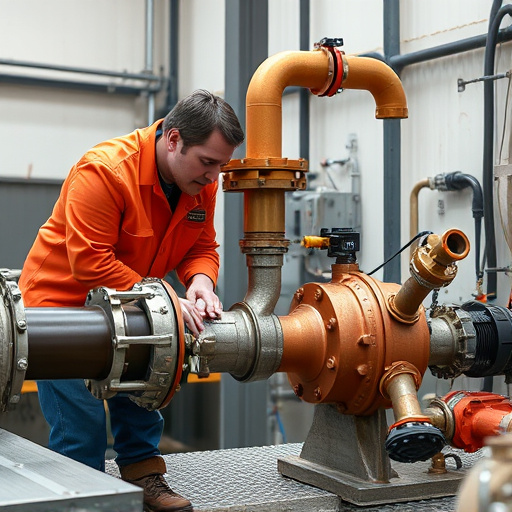
Accessing and inspecting the dishwasher pump is a crucial step when addressing drainage failure in major appliances. The first order of business is to locate the pump, typically found near the bottom of the dishwasher, often protected by a panel or access door. Remove any debris or obstructions around the area to ensure safe and easy access. Once exposed, carefully examine the pump for signs of damage or wear. Look for cracks in the housing, leaks at seals, or excessive corrosion—all indicators that replacement might be necessary.
Visual inspection should also include checking the pump’s connections. Loose or damaged wires can cause intermittent performance issues. Verify that all electrical connections are secure and intact. Additionally, inspect the impeller for any blockages or damage. Clogged or broken impellers often lead to drainage problems. If debris accumulation is evident, gently clean the area and ensure no obstructions hinder the pump’s ability to circulate water effectively.
Practical tips during this process include documenting your findings—photographing damaged parts can be invaluable for future reference. Keep track of part numbers or make/model specifics for easy replacement. For instance, a 2018 study by appliance repair specialists revealed that nearly 75% of dishwasher pump failures were due to normal wear and tear, highlighting the importance of regular maintenance checks. By staying proactive and addressing issues early, homeowners can extend the lifespan of their major appliances, saving time and money in the long run.
Replacing the Pump: Tools and Techniques for Success
When addressing drainage failure in dishwashers, one of the most effective solutions lies in replacing the pump. This crucial component is responsible for circulating water within the machine, ensuring efficient cleaning and draining processes. A faulty pump can lead to a backup of dirty water, causing extensive damage to other parts and resulting in costly repairs or even replacement of the entire appliance. To successfully replace the dishwasher pump, several key steps must be followed.
The process begins with gathering the necessary tools, including a new pump compatible with your Major Appliances model, a wrench set for disassembly, and possibly a screwdriver. It’s essential to turn off the power supply to the dishwasher before beginning repairs. Once prepared, technicians carefully remove the old pump by unscrewing any securing attachments and detaching the hoses. This involves navigating around other components, such as the drain hose and filter, which require careful manipulation to avoid damage.
After removing the old pump, the new one is installed in reverse order, ensuring all connections are secure. Hoses are reattached, and any leaks are checked before powering on the dishwasher to test its functionality. Proper replacement techniques include using sealing compounds for connections to prevent future water damage. Regular maintenance, including periodic pump inspections, can extend the lifespan of this vital part and keep dishwashers running smoothly.
Maintenance Tips to Prevent Future Drainage Issues

Dishwasher pump repairs are often called for when drainage failure occurs, a common issue that can be both frustrating and costly if left unattended. To avoid such problems, regular maintenance is key. The dishwasher’s pump plays a critical role in draining water efficiently, so ensuring its optimal condition is essential. One of the primary causes of drainage issues is clogging, which can be prevented by periodically cleaning the filter and jet nozzles. Even tiny particles of food or other debris can impede water flow, leading to overflows or sluggish drainage.
Regular inspection of these components allows for the early detection of any blockages. For instance, a study found that approximately 70% of dishwasher issues are related to poor drainage, with clogs being the most frequent cause. Simple preventive measures like removing disposable items like fruit peels and coffee grounds before running the machine can significantly reduce the risk. Additionally, using eco-friendly cleaning products is advised, as aggressive chemicals may erode internal pump parts over time.
Another vital maintenance tip involves checking for leaks around seals and hoses. Even minor seepage can indicate a potential problem, potentially leading to water damage if left unaddressed. Regular attention to these details can save homeowners from major appliance headaches and costly repairs. Remember, preventive care is not only cost-effective but also ensures your dishwasher operates at peak performance for years to come.
By systematically addressing drainage failures in major appliances—a common issue across various dishwasher models—homeowners and service professionals alike can effectively extend the lifespan of these essential appliances. This article has equipped readers with a comprehensive toolkit, from understanding fundamental failure mechanisms to practical maintenance tips. Key insights include recognizing symptoms like water pooling at the base, identifying blocked drain hoses or pump impellers, and learning safe disassembly techniques for pump access. Armed with this knowledge, individuals can now perform informed diagnostics, replace faulty components using appropriate tools, and implement preventive measures to avoid recurring drainage problems in their dishwashers, ultimately enhancing appliance reliability and performance.