Introduction
In our modern world, major appliances are the cornerstone of household efficiency, industrial productivity, and personal comfort. They represent a fusion of technology and utility, enhancing the quality of life by performing tasks that would otherwise be time-consuming or physically demanding. This comprehensive article will delve into the intricacies of major appliances, their global impact, economic significance, technological evolution, policy frameworks, challenges, and future prospects. By the end of this exploration, readers will have a nuanced understanding of how these ubiquitous devices shape our daily lives, economies, and environments.
Understanding Major-Appliances
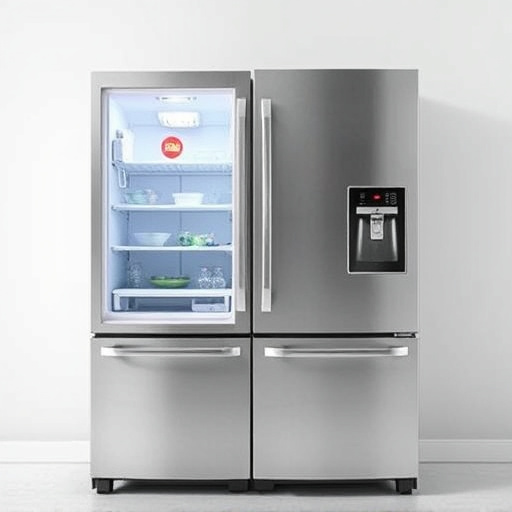
Major appliances are machines used in homes, commercial establishments, and industries for performing domestic or technical functions. They range from refrigerators and washing machines to industrial-scale machinery like centrifugal pumps and air conditioners. These appliances are integral to modern living, offering convenience, efficiency, and hygiene. Their core components include motors, compressors, heating elements, sensors, and control systems, all of which work in harmony to deliver their respective functions.
Historically, the development of major appliances has been a testament to human ingenuity and the pursuit of progress. From the invention of the mechanical refrigerator in the early 20th century to the smart, energy-efficient appliances of today, each advancement has significantly impacted society. These appliances are a critical component of the broader landscape of technological innovation, reflecting societal needs, environmental concerns, and economic shifts.
Global Impact and Trends
The global impact of major appliances is profound. They are a significant driver of economic growth, influencing industries ranging from manufacturing to services. Trends such as the rise of smart homes, energy-efficient technology, and the increasing demand for sustainable living solutions are shaping the trajectory of this sector. In developed nations like the United States and Europe, the focus is on energy conservation and integration with renewable energy sources. In emerging economies, the challenge lies in meeting the growing demand for appliances while ensuring accessibility and affordability.
Economic Considerations
The economic landscape of major appliances is multifaceted. It encompasses market dynamics influenced by consumer preferences, technological advancements, and global economic conditions. Investment patterns in this sector are driven by the potential for innovation, cost reduction, and sustainable practices. Major-appliances play a pivotal role in economic systems, contributing to job creation, industrial growth, and innovation. They also represent a substantial market segment with significant investment opportunities.
Technological Advancements
Technological advancements have revolutionized the major-appliance industry. Innovations such as the Internet of Things (IoT) have led to the development of smart appliances capable of self-diagnosis, energy management, and even remote operation. These advancements not only enhance user experience but also contribute to energy savings and environmental sustainability. The future potential of major-appliances lies in their integration with artificial intelligence (AI), machine learning, and advanced materials that could lead to more efficient, durable, and eco-friendly products.
Policy and Regulation
Policies and regulations play a crucial role in governing the development and use of major appliances. International bodies like the United Nations and regional organizations such as the European Union have established standards and guidelines to ensure safety, energy efficiency, and environmental protection. These frameworks not only dictate design and performance criteria but also influence consumer behavior and market competition. Compliance with these regulations is essential for manufacturers looking to operate within international markets.
Challenges and Criticisms
Major-appliances face several challenges, including energy consumption, electronic waste, and the integration of sustainable materials. Critics argue that while appliances have brought convenience, they also contribute to a culture of excess and environmental degradation. Addressing these issues requires a multifaceted approach, including the development of more energy-efficient designs, recycling programs, and consumer education on sustainable practices.
Case Studies
Several case studies illustrate the successful application of major appliances. For instance, LG’s development of Direct Drive technology in washing machines has set a new standard for efficiency and durability. Samsung’s Family Hub refrigerator showcases how IoT can enhance kitchen management and family connectivity. These examples serve as valuable lessons in innovation, market responsiveness, and consumer engagement.
Future Prospects
The future prospects of major appliances are promising. Growth areas include smart home integration, energy storage solutions, and the development of appliances tailored to the needs of different demographic groups. Emerging trends suggest a move towards more sustainable and modular designs that can adapt to changing lifestyles and technological advancements. Strategic considerations for manufacturers will revolve around innovation, sustainability, and responsiveness to consumer demands.
Conclusion
In conclusion, major appliances are indispensable in our modern world, influencing economic systems, shaping societal norms, and contributing to environmental challenges. Their historical significance, current impact, and future potential underscore their importance in the landscape of technology and daily life. As we move forward, it is imperative that we continue to innovate, regulate, and address the challenges associated with these ubiquitous devices to ensure they remain a positive force for society.
FAQ Section
-
What are major appliances? Major appliances are machines used in households and commercial establishments for tasks such as cooking, cleaning, refrigeration, and laundry. They include items like refrigerators, washing machines, ovens, and air conditioners.
-
Why are smart appliances gaining popularity? Smart appliances are gaining popularity due to their convenience, energy efficiency, and the ability to connect with other devices within a smart home ecosystem.
-
What are some of the environmental challenges associated with major appliances? Environmental challenges include high energy consumption, electronic waste from discarded appliances, and the use of non-sustainable materials in manufacturing.
-
How do regulations impact the major-appliance industry? Regulations set performance standards, safety requirements, and environmental benchmarks that manufacturers must adhere to. These guide the innovation process and influence market competition by favoring products that meet these criteria.
-
What trends are shaping the future of major appliances? Key trends include integration with renewable energy sources, development of sustainable materials, IoT connectivity, and appliances that cater to diverse consumer needs and preferences.
Regular defrosting and maintenance of major appliance freezer systems are essential for optimal temperature control, energy efficiency, and food preservation. Common issues arise from faulty heating elements or thermostats, leading to up to 30% of freezer malfunctions. Preventive measures include cleaning seals, drains, and vents, blocking drainages, and maintaining humidity levels to inhibit ice buildup. Regular maintenance can extend freezer lifespans by up to 50%, reducing repair needs and ensuring consistent food preservation. Homeowners should consult professional appliance repair services for persistent problems.
In the realm of home maintenance, efficient and dependable Major Appliances are non-negotiable. Ice buildup in freezers is a common—and costly—issue that not only impairs performance but also poses food safety risks. Preventing this problem at its root is crucial to ensure your freezer operates optimally and remains a safe space for your perishables. This article delves into the intricacies of freezer defrost system repairs, exploring how these solutions can be game-changers in mitigating ice accumulation, thereby safeguarding your investment in Major Appliances.
Understanding Freezer Defrost Systems and Common Issues
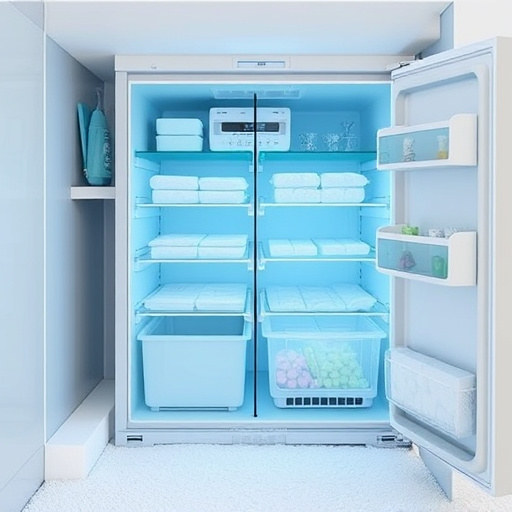
Freezer defrost systems are a critical component of major appliances, ensuring optimal food preservation and energy efficiency. These systems prevent ice buildup by regularly melting frost, maintaining ideal temperature control. Understanding their inner workings and common issues is paramount for effective maintenance and longevity. The primary function involves circulating warm air across the freezer coils, dissolving ice layers that would otherwise insulate the cold air, leading to increased energy consumption.
Regular defrosting also addresses a range of potential problems. Prolonged ice buildup can obstruct airflow, reducing cooling efficiency and potentially damaging the freezer’s compressor. Moreover, thick ice can lead to uneven temperature distribution, affecting food quality and freshness. Common issues often stem from faulty heating elements or thermostats within the defrost system. Malfunctioning heaters prevent adequate warming, while defective thermostats may fail to trigger the defrost cycle at optimal times. For instance, a study by appliance repair experts found that up to 30% of freezer malfunctions were directly linked to these components.
Regular maintenance is key to mitigating such problems. Users should check defrost system components periodically and ensure proper functioning. Simple troubleshooting steps include verifying power supply to the heater and inspecting thermostats for accurate readings. In cases of persistent issues, consulting professional repair services specializing in major appliances is advisable. These experts can diagnose complex problems and provide lasting solutions, ensuring your freezer operates efficiently and effectively.
Repair Strategies: Preventing Future Ice Buildup in Major Appliances
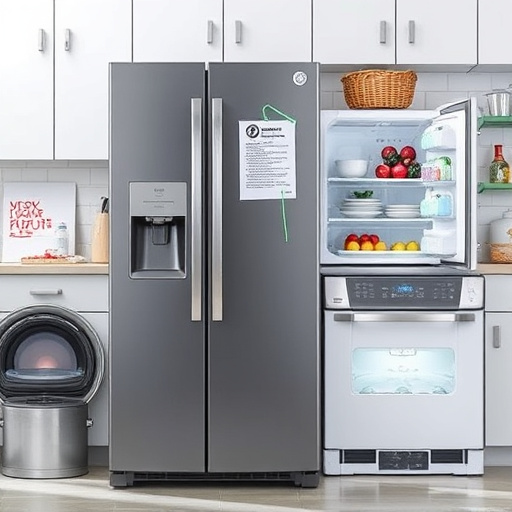
Preventing ice buildup in major appliances, particularly freezers, is a critical aspect of maintaining optimal performance and longevity. Regular defrosting isn’t just a nuisance; it’s a necessary strategy to safeguard your investment. Skilled technicians often employ advanced techniques like thermal heating or low-temperature air circulation to expedite the defrosting process, ensuring minimal water damage and efficient appliance operation.
Beyond immediate solutions, implementing preventive measures is key to averting future ice buildup. This involves routine maintenance, such as cleaning and inspecting seals, drains, and vents. For instance, a blocked drain can lead to standing water, fostering ice formation. Regular checks ensure any blockages are addressed promptly. Additionally, using desiccants or maintaining proper humidity levels can inhibit moisture accumulation, a primary cause of ice buildup in major appliances.
Data from leading appliance manufacturers underscores the importance of preventive care. Studies show that regular defrosting and maintenance can extend freezer lifespans by up to 50%, significantly reducing the need for costly repairs. Moreover, proactive measures not only safeguard your appliances but also ensure consistent food preservation, a critical factor in today’s fast-paced world where access to fresh foods is paramount. By adopting these strategies, homeowners can effectively manage ice buildup, ensuring their major appliances remain reliable workhorses for years to come.
By understanding the inner workings of freezer defrost systems and common issues like ice buildup, homeowners can now employ effective repair strategies to prevent future problems in major appliances. This article has equipped readers with authoritative insights into navigating these challenges, ensuring longer lifespans for their kitchen essentials. Key takeaways include recognizing the significance of regular maintenance, addressing underlying causes of ice accumulation, and adopting preventive measures tailored to specific appliance models. With this knowledge, homeowners are empowered to tackle freezer defrost system repairs head-on, enhancing energy efficiency and performance in major appliances across the board.