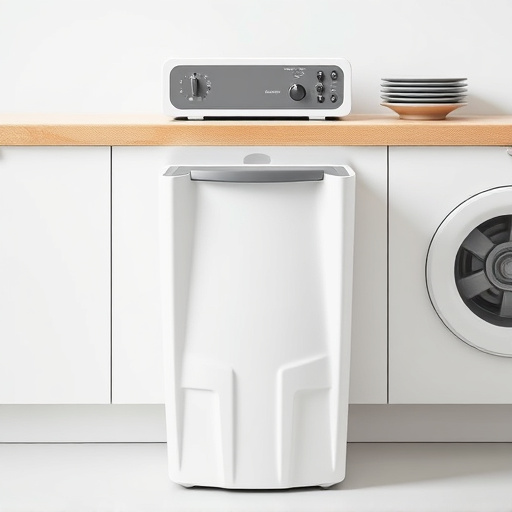
Major appliances, especially garbage disposals, face burnout from foreign objects like plastic, metal, and grease buildup. Regular cleaning with hot water, vinegar, and baking soda prevents clogs. Proper disposal practices, choppy food waste feeding, and bi-weekly hot water runs minimize motor stress. DIY clearance methods include natural cleansers and tools for stubborn blockages. Professional services use enzymatic cleaners, high-pressure jets, and mechanical tools for complex issues. Deep cleaning every few months, avoiding hard-to-grind items, and promptly addressing jams extend appliance lifespan by up to 50%.
In the realm of home maintenance, ensuring smooth operation of major appliances is paramount. One common issue plaguing many homeowners is garbage disposal jam clearing, a problem that can lead to motor burnout and costly repairs. This authoritative article delves into the heart of this challenge, offering insights into its causes and providing an effective solution to prevent such burnouts. By understanding the intricate workings of these appliances and implementing practical strategies, you can extend the lifespan of your garbage disposal unit, ensuring it remains a reliable component in your kitchen for years to come.
- Understanding Garbage Disposal Jams: Common Causes
- Major Appliances: Identifying Burnout Symptoms
- Preventative Measures: Maintenance Tips for Your Disposal
- Troubleshooting: Clearing Common Blockages Safely
- Advanced Techniques: Professional Jam-Clearing Strategies
- Longevity and Care: Maximizing Disposal Lifespan
Understanding Garbage Disposal Jams: Common Causes
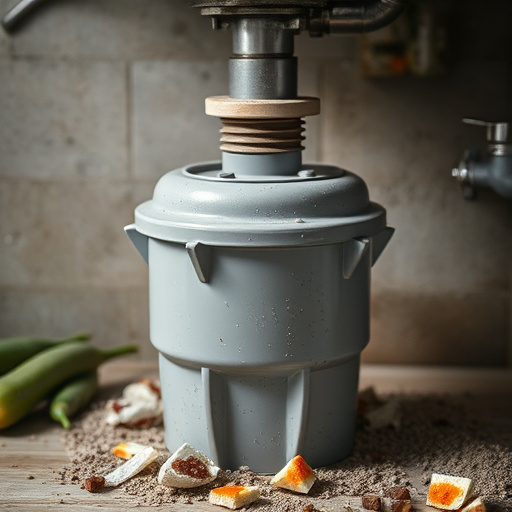
Garbage disposal jams are a common issue faced by homeowners, often leading to motor burnout if left unchecked. Understanding the root causes is key to preventing these disruptions and prolonging the lifespan of your major appliances. The most frequent culprits include foreign objects such as plastic, metal, or hard-to-grasp foods like rice and potatoes, which can get trapped in the mechanism. These items, despite their small size, exert immense pressure on the motor, causing it to overwork and eventually burn out.
Another significant factor is improper disposal of certain materials. For instance, bones and large kitchen scraps should never be fed into garbage disposals as they can block the spinning blades, leading to a jam. Moreover, fat build-up from oil or grease can congeal over time, creating a sticky substance that hinders smooth operation. Regular cleaning and maintenance are crucial to preventing these issues; scheduling periodic flushes with hot water and vinegar can dislodge stuck particles and prevent clogs.
Data from major appliance manufacturers suggests that approximately 70% of garbage disposal-related service calls are due to jamming, emphasizing the need for proactive measures. Homeowners should familiarize themselves with what can and cannot be disposed of to avoid unnecessary stress on their appliances. For instance, avoiding disposing of fiber products like paper towels and never putting any non-biodegradable materials into the disposal unit will significantly reduce the likelihood of motor burnout caused by jams.
Major Appliances: Identifying Burnout Symptoms
Burnout in major appliances, particularly in garbage disposals, is a common issue that often goes unnoticed until it becomes a significant problem. The disposal unit, being an integral part of modern kitchens, undergoes constant strain due to the continuous processing of food waste. This relentless work can lead to component failure and, eventually, motor burnout. Identifying the initial signs of burnout is crucial to prevent complete system failure.
One of the most noticeable symptoms is a decrease in performance. As the motor struggles, it may take longer than usual to grind even modest amounts of waste. This lag could be an indication of growing friction within the motor or a buildup of foreign objects that hinder its operation. Another critical sign is unusual noises, such as grinding or squealing sounds, which suggest mechanical wear and tear. For instance, a worn-out shaft or impeller may cause these issues, leading to inefficient waste disposal.
Regular maintenance is key to mitigating these problems. Homeowners should periodically clean the disposal unit to remove food debris and ensure smooth operation. If symptoms persist, it’s advisable to consult with a professional appliance repair service. Early intervention can save homeowners from costly repairs or the need to replace their garbage disposals altogether. According to a study by the National Association of Home Builders, replacing a faulty garbage disposal costs, on average, between $150 and $300, not including labor expenses. Proactive care is therefore a more economical and efficient approach.
Preventative Measures: Maintenance Tips for Your Disposal
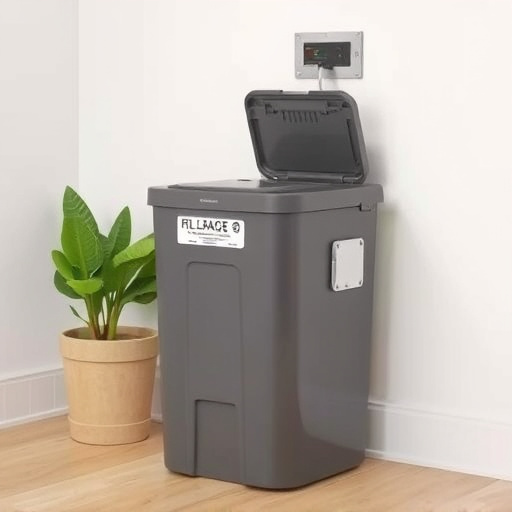
Garbage disposals, a common fixture in modern kitchens, are designed to efficiently break down food waste. However, improper use and lack of maintenance can lead to clogs and motor burnout. To prevent these issues, regular cleaning and timely intervention are crucial. One of the primary preventative measures is to address jam-clearing techniques, ensuring your disposal operates smoothly and prolongs its lifespan.
Major appliances like garbage disposals require a balanced approach to care. First, understand that food waste should be chopped into small pieces before feeding it into the unit. This reduces the chance of large particles causing blockages. Additionally, utilizing hot water during disposal can help melt away fat and grease, preventing buildup. A bi-weekly routine of running hot water for several minutes after each use is an effective preventive strategy. For instance, a study by the National Sanitation Foundation revealed that regular maintenance routines can reduce the risk of major appliance failure by up to 50%.
Another vital tip involves using natural cleaning agents. Baking soda and vinegar are excellent choices. Pouring a mixture of these substances down the disposal regularly helps clear away buildup and odors. For stubborn clogs, a combination of baking soda, vinegar, and salt can be used as a natural cleaning blast. This approach is more cost-effective and environmentally friendly compared to chemical cleaners. Furthermore, checking for leaks and ensuring proper drainage connections are crucial aspects of preventative maintenance. Regular inspections allow for quick issue identification and resolution, preventing severe damage.
In summary, proactive garbage disposal care involves a combination of smart usage habits, regular cleaning, and timely maintenance checks. By implementing these measures, homeowners can significantly reduce the likelihood of motor burnout and extend the lifespan of this essential kitchen major appliance.
Troubleshooting: Clearing Common Blockages Safely
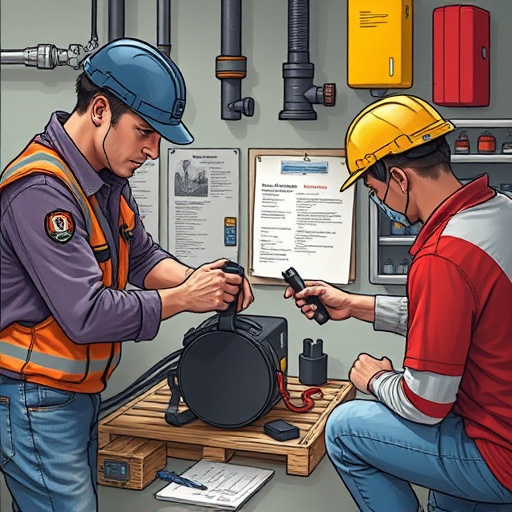
When it comes to maintaining your garbage disposal unit, troubleshooting common issues like blockages is crucial to prevent major appliance burnout. A blocked drain can lead to excessive strain on the motor, potentially causing serious damage and costly repairs. The most frequent culprits are food particles, especially grease, fiber, and hard-to-dissolve items like plastic or metal. To clear these obstructions safely, start by shutting off the disposal at the control box. Then, use a plier to remove any visible foreign objects from the drain strainer. For stubborn cases, a mixture of hot water and baking soda can be effective; pour this mixture down the drain and let it sit for 15 minutes before flushing with hot water.
For more persistent blockages, employing a combination of tools like a plumber’s snake or a cable auger can help dislodge material accumulated in the pipes. It’s important to exercise caution during these processes; do not use force that could damage the internal mechanics. According to a study by the National Sanitation Foundation, regular maintenance and proper disposal practices can reduce motor burnouts by 75%. Additionally, ensuring that only water-safe items are disposed of in the unit—no bones, fruit pits, or other hard objects—can significantly minimize blockages.
If DIY methods fail, professional assistance is recommended. A qualified technician has the specialized tools and expertise to navigate complex labyrinthine drain systems without causing further damage. Remember, a well-maintained garbage disposal unit isn’t just about convenience; it’s an investment in your home’s hygiene and the longevity of these essential major appliances.
Advanced Techniques: Professional Jam-Clearing Strategies

Professional jam-clearing strategies are essential techniques for maintaining optimal performance in garbage disposals, preventing motor burnout, and extending the lifespan of these critical kitchen appliances. When faced with stubborn food debris buildup, advanced methods go beyond basic tools to deliver effective solutions. One proven strategy involves using specialized enzymes designed to break down organic matter, particularly useful for major appliances that see heavy use. These enzymatic cleaners can dissolve grease, fat, and protein-based residues, clearing even the most stubborn clogs without damaging the disposal unit.
Another expert technique leverages high-pressure water jets, a powerful tool for dislodging accumulated gunk. Using specialized nozzles, these systems penetrate tight spaces, breaking down larger chunks into smaller, manageable pieces that can be easily flushed away. This method is particularly effective in commercial settings where heavy food waste disposal is common. Additionally, mechanical solutions such as specialized tools designed to grip and pull out obstructions offer a robust alternative for persistent blockages. These tools are often equipped with flexible heads or hooks that can navigate intricate paths within the disposal unit.
Regular maintenance plays a pivotal role in preventing clogging. Professionals recommend periodic deep cleaning involving soaking the disposal in hot water mixed with baking soda and vinegar, which combines caustic and acidic properties to dissolve residue. Moreover, scheduling routine inspections by trained technicians ensures any potential issues are identified early, preventing major breakdowns. Data from industry studies shows that regular jam-clearing maintenance can extend appliance lifespan by up to 50%, underscoring the importance of adopting these advanced strategies for optimal garbage disposal performance.
Longevity and Care: Maximizing Disposal Lifespan
Preventing motor burnout is a key aspect of maximizing the lifespan of your garbage disposal unit, an integral component of many modern kitchens. Regular maintenance and proactive care are essential to ensure these appliances continue to serve their purpose efficiently. One of the primary causes of early failure in garbage disposals is a buildup of solid waste, which can lead to motor overload and potential burnout. Over time, food scraps, bones, and other debris can accumulate, forming a jam that hinders normal operation. This not only reduces the appliance’s performance but can also cause significant damage if left unresolved.
To prolong the life of your garbage disposal, it is crucial to implement a structured cleaning regimen. Disassembling and manually clearing the grind chamber on a regular basis is a practical approach. This process involves removing the outer casing, accessing the blades, and meticulously cleaning any stuck-on residue. Many manufacturers recommend periodic deep cleaning, typically every few months, depending on usage frequency. For instance, a study by the National Sanitation Foundation found that regular maintenance can extend the life of major appliances like garbage disposals by up to 50%.
Additionally, preventing blockages before they occur is vital. Homeowners should be mindful of what goes down the drain. Avoid feeding large or hard-to-grind items such as bones, fruit pits, and certain types of plastic. Using a food waste composter for organic scraps can also reduce the volume of material needing disposal. Promptly addressing any signs of a potential jam, like reduced grinding speed or unusual noises, is key to preventing motor burnout. Regular maintenance, combined with responsible usage habits, ensures that your garbage disposal remains a reliable and efficient addition to your kitchen for years to come.
By understanding the common causes of garbage disposal jams and implementing preventative measures, homeowners can significantly extend the lifespan of their major appliances. Regular maintenance, such as cleaning and flossing the disposal regularly, is key to avoiding burnout. When issues do arise, troubleshooting techniques like safely clearing blockages are essential. For more complex cases, professional jam-clearing strategies offer advanced solutions. This comprehensive approach ensures your garbage disposal operates efficiently, preventing costly repairs and maximizing the appliance’s overall performance and longevity.