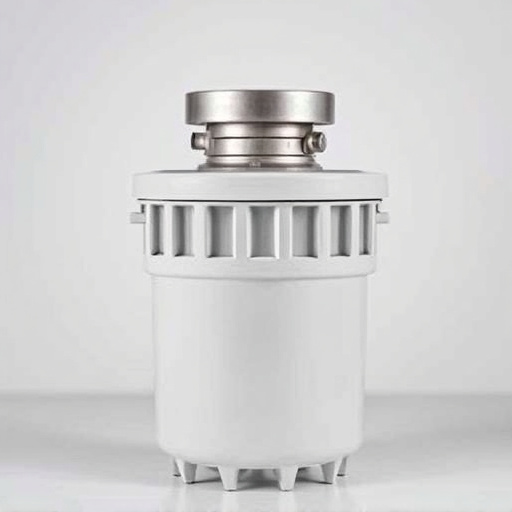
Modern kitchens rely on garbage disposal units (major appliances) but face common issues like jams due to inappropriate waste, improper installation, and lack of maintenance. Prevention includes regular cleaning, adhering to manufacturer guidelines, using trash catchers, and proactive measures like professional maintenance checks. Motor burnout, caused by overuse and inadequate care, is a significant concern; early signs are decreased performance and unusual noises. Regular blockage checks and periodic motor tests with diagnostic tools extend appliance life by up to 30%. Effective jamming strategies involve power off/cooling, manual debris removal, hot water flushing, natural cleaners, specialized tools (following manufacturer advice), chemical drain cleaners (with caution), and consistent maintenance practices.
In the realm of major appliances, smooth operation is paramount for user satisfaction and longevity. One common hiccup plaguing garbage disposals is the dreaded jam—a potential burnout hazard for these essential kitchen workhorses. This article delves into the core issue of garbage disposal jams, their causes, and most importantly, offers proven strategies to clear them efficiently. By understanding the mechanics behind these appliances and implementing practical solutions, homeowners can safeguard their garbage disposals from costly repairs or premature replacement.
- Understanding Garbage Disposal Jams: Causes and Prevention
- Diagnosing Motor Burnout in Major Appliances
- Effective Strategies to Clear Blockages and Restore Function
Understanding Garbage Disposal Jams: Causes and Prevention
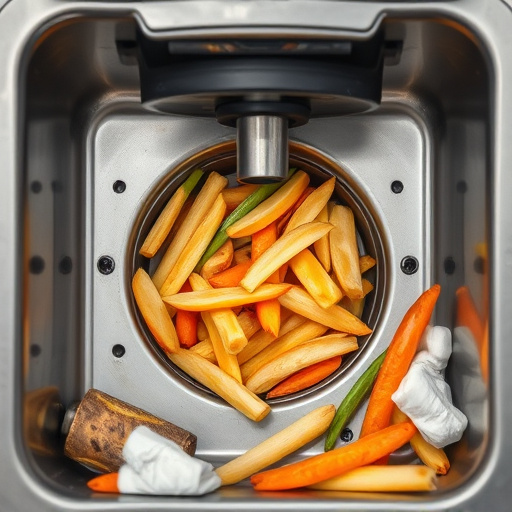
Garbage disposal units are integral components of modern kitchens, streamlining food waste management. However, these versatile appliances are susceptible to issues, with jam clearances being a frequent problem. A garbage disposal jam occurs when solid or semi-solid materials, such as bones, grease, or certain foods, accumulate and bind within the unit, causing it to malfunction. This can lead to motor burnout if not addressed promptly, resulting in costly repairs or even premature appliance replacement. Understanding the causes of these jams is key to preventing potential disasters for homeowners relying on their major appliances for daily food waste disposal.
Common culprits include feeding inappropriate items into the disposal, improper installation, and lack of regular maintenance. For instance, bones and hard foods like ice can easily trigger a jam, while grease buildup over time can solidify and cause clogs. Inadequate ventilation or incorrect pipe connections might also contribute to blockages. Regular cleaning and unblocking, especially after significant use, are essential preventive measures. Homeowners should be vigilant about what goes into their disposal units, adhering to manufacturer guidelines on acceptable waste materials.
To mitigate risks, a proactive approach is advised. This includes installing trash catchers or strainers at the sink to trap larger debris before it enters the disposal. Enlisting professional services for regular maintenance checks can also identify potential issues early on. By understanding and addressing garbage disposal jams proactively, homeowners not only extend the life of their appliances but also ensure a seamless, efficient food waste management system in their kitchens—a critical aspect of modern home maintenance.
Diagnosing Motor Burnout in Major Appliances
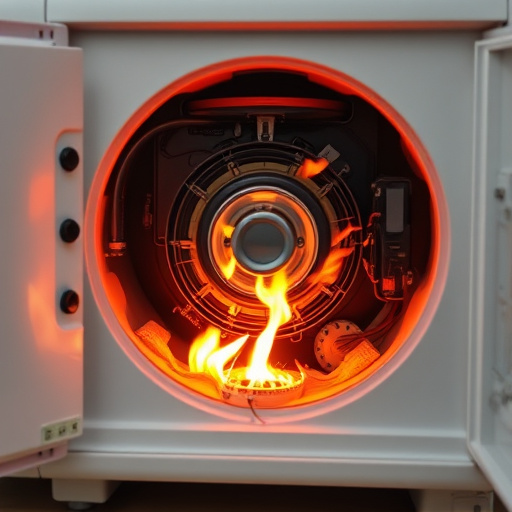
Motor burnout is a common yet critical issue affecting major appliances, particularly garbage disposals. It occurs when the motor, often high-speed and powerful, experiences excessive strain over time, leading to eventual failure. This problem is exacerbated by improper use, lack of maintenance, and ingestion of inappropriate items—a clear diagnosis is therefore paramount to prevent costly replacements and ensure longevity.
One of the earliest signs of burnout is a significant reduction in the appliance’s performance. For instance, a garbage disposal that once efficiently grinds even large food scraps may suddenly struggle with basic tasks. This decline is often accompanied by unusual noises, such as high-pitched whining or grinding sounds, indicating internal damage. Moreover, frequent overheating during operation can lead to motor burnout; users might notice the appliance shutting down abruptly due to an overheat sensor. Regular maintenance, including cleaning and checking for blockages, remains a preventive measure against these issues.
Expert technicians recommend periodic checks of major appliances’ motors, especially in high-use households. Diagnostic tools like multimeters can identify specific issues, such as faulty wiring or bearing damage. Data from appliance repair centers reveals that early detection of motor problems through diagnostics can extend the lifespan of garbage disposals by years. For instance, a study by the National Association of Home Builders showed that regular maintenance reduced replacement rates by 30% among participating households. Preventive measures and timely intervention are key to avoiding motor burnout, ensuring these essential appliances remain reliable workhorses in modern kitchens.
Effective Strategies to Clear Blockages and Restore Function
Garbage disposal jams are a common issue that can lead to motor burnout and significant damage if left unchecked. Effective strategies to clear blockages and restore function involve a multi-step approach, combining mechanical and chemical solutions. Initially, power off the unit and allow it to cool before attempting any physical clearing. Using tools like pliers or long-handled tongs, carefully remove any easily accessible debris, ensuring not to force objects that seem stuck. In many cases, a minor buildup of food scraps can be dislodged with a simple flush of hot water followed by a cycle of vinegar and baking soda solution, which breaks down grease and grime effectively.
For more stubborn blockages, specialized tools like snake or augers designed for plumbing issues can be inserted into the drain to break up or retrieve foreign objects. It’s crucial to follow manufacturer guidelines when using such tools to avoid damaging the disposal unit. If manual methods fail, chemical drain cleaners can offer a temporary solution but must be used with caution due to their corrosive nature. Regular maintenance routines, including flushing with hot water and avoiding improper food disposal practices, can significantly reduce the frequency of major blockages.
Moreover, understanding that garbage disposals are designed as part of a larger plumbing system, maintaining overall drain cleanliness is vital. Preventing overspill from overflowing sinks or drains into the unit itself goes a long way in reducing the likelihood of complex issues. In severe cases where motor burnout has occurred due to chronic blockages, professional intervention may be required for safe disassembly and repair, highlighting the importance of prompt action when potential problems are identified.
By understanding the root causes of garbage disposal jams—from foreign objects to improper disposal practices—homeowners and appliance technicians can proactively prevent motor burnout in major appliances. Early diagnosis, through noticeable performance changes, is key to avoiding costly repairs. Effective clearing strategies, such as using a plumber’s snake or natural cleaning solutions, offer practical remedies for blockages. Regular maintenance, including flushing with hot water and vinegar, ensures optimal performance. These insights empower individuals to handle common issues, prolonging the lifespan of their major appliances and reducing the need for frequent professional interventions.