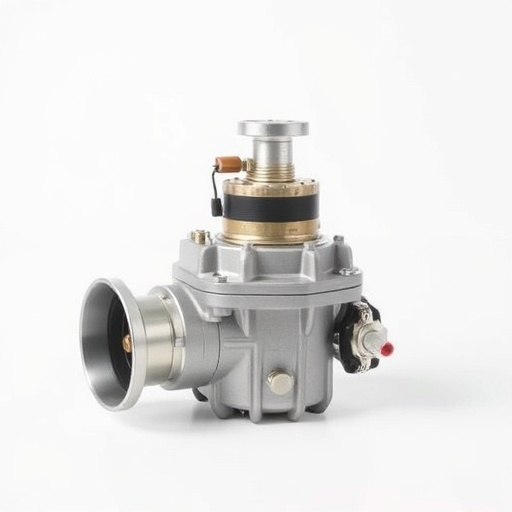
Preventing kitchen clogs in major appliances starts with maintaining garbage disposal motors. Regular motor checks, cleaning, and replacement (750-1200 watts) extend lifespan up to 15 years or more. Bi-annual deep cleaning, loose connection checks, and rust prevention are crucial for optimal performance. Modern sensors and safety mechanisms minimize clog risk, enhancing kitchen efficiency. Proactive maintenance avoids costly repairs and showcases DIY skills in maintaining vital appliances.
Kitchen clogs are a common household nuisance, often caused by food debris accumulating in garbage disposals. While regular maintenance can delay replacement needs, major appliances like these eventually reach the end of their lifespan. This is where motor replacements come into play as a practical and cost-effective solution. By equipping yourself with the knowledge to identify when a replacement is necessary and understanding the process involved, you can prevent costly repairs or unexpected breakdowns. This article provides an in-depth guide on garbage disposal motor replacements, empowering homeowners to take control of their kitchen appliances.
- Understanding Kitchen Clogs: Common Causes & Impact
- Garbage Disposal Motor Replacement: Step-by-Step Guide
- Choosing the Right Replacement Motor for Major Appliances
- Preventative Maintenance: Ensuring Longevity of Your Disposal
Understanding Kitchen Clogs: Common Causes & Impact
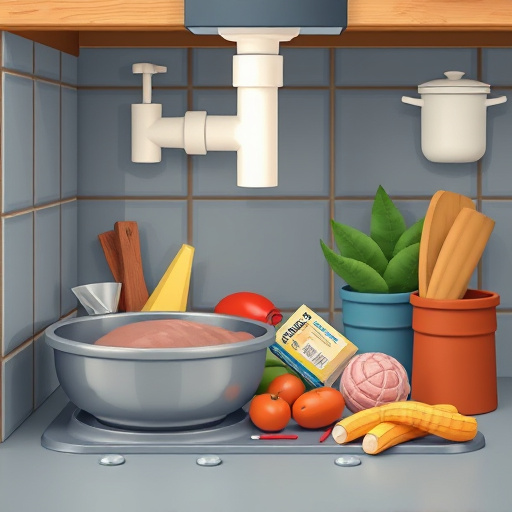
Kitchen clogs are a common household nuisance, often leading to frustrating and time-consuming cleanup routines. Understanding the root causes of these obstructions is key to preventing them. Major appliances, such as garbage disposals, play a pivotal role in maintaining a smooth-running kitchen. When it comes to clogs, several factors contribute to their formation. One of the primary culprits is the disposal of inappropriate items down the drain. Food scraps, grease, and even small household objects can congeal or get stuck, forming blockages that disrupt water flow.
For instance, carbon-based food waste like rice, coffee grounds, and grease from cooking can solidify when cooled, creating a sticky mass that traps other debris. Even small items like plastic wrap, rubber bands, or certain types of produce stickers can find their way into the pipes, causing significant clogs. Moreover, tree roots seeking moisture in pipes can infiltrate even minor cracks, causing serious obstructions over time. The impact of kitchen clogs extends beyond inconvenience; they can lead to severe water damage and costly repairs if left unattended.
Regular maintenance is crucial to averting these issues. Replacing garbage disposal motors promptly upon noticing any performance issues or unusual noises is recommended. Modern disposals are designed with advanced sensors and safety mechanisms, ensuring efficient grinding and minimizing the risk of clogs. By addressing motor replacements in a proactive manner, homeowners can protect their major appliances and maintain a clog-free kitchen environment.
Garbage Disposal Motor Replacement: Step-by-Step Guide
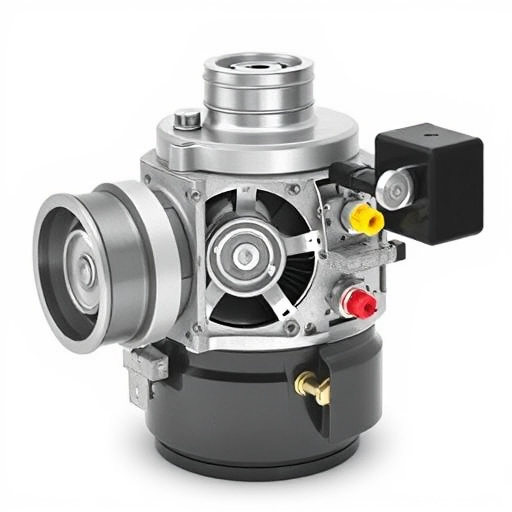
Preventing kitchen clogs is a top priority for any homeowner, especially when it comes to major appliances like garbage disposals. A faulty motor can lead to significant disruptions and even costly repairs. Luckily, replacing the motor yourself is a feasible task that can extend the life of your disposal unit. This step-by-step guide will walk you through the process, empowering you with the knowledge to tackle this common issue head-on.
First, gather the necessary tools: a wrench set, pliers, and a new garbage disposal motor suitable for your model. Before beginning, ensure power is cut off to the disposal unit at your circuit breaker box. With safety as our primary concern, we advise wearing protective gear throughout the process. Now, carefully remove the old motor by loosening and detaching the mounting screws and wires. Take note of their original positions for seamless reinstallation later.
Next, install the new motor by securing it with fresh screws and reconnecting any wires according to their respective markings. Tighten them gently but firmly. After reassembling the disposal unit, test its functionality by restoring power and operating it for a brief period. Regular maintenance, including cleaning and checking for wear, will further ensure smooth operation. By following these straightforward steps, you’ve not only prevented costly clogs but also demonstrated your DIY capabilities.
Choosing the Right Replacement Motor for Major Appliances
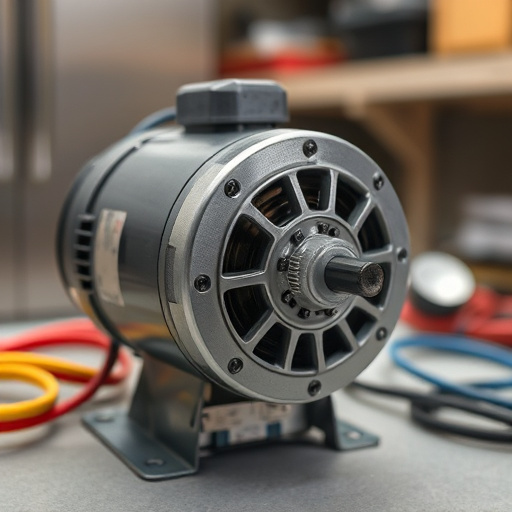
When it comes to maintaining a smooth-running kitchen, ensuring your garbage disposal motor is in optimal condition is paramount. The heart of any efficient waste management system in major appliances, these motors can suffer wear and tear over time, leading to clogs and disruptions in your daily routines. Replacing the motor is often a more cost-effective solution than repairing or replacing the entire unit, making it a practical and strategic move for homeowners.
Choosing the right replacement motor involves considering factors like power, speed, and noise levels, all of which directly impact performance. High-wattage motors (typically 750-1200 watts) offer superior grinding capabilities and are well-suited for handling large food particles, while lower wattage models might be sufficient for lighter use. Speed is another critical aspect; faster motors can grind waste more efficiently, reducing the risk of clogs. However, high speeds often correlate with increased noise levels, so balancing these needs is essential for a harmonious kitchen environment.
For instance, a 2022 study by Appliance Magazine found that modern garbage disposal motors with advanced technology can reduce noise levels by up to 50% compared to older models. This advancement highlights the industry’s commitment to creating more efficient and user-friendly solutions for major appliances. When selecting a replacement motor, consulting manufacturer guidelines and seeking expert advice from hardware stores or appliance repair specialists can help ensure compatibility and optimal performance. Regular maintenance, including cleaning and lubricating the motor, will also extend its lifespan, further reducing the need for frequent replacements.
Preventative Maintenance: Ensuring Longevity of Your Disposal
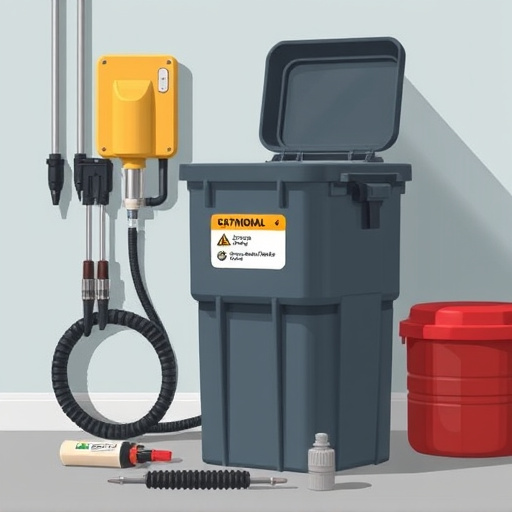
Regular maintenance of your garbage disposal unit is key to preventing clogs and ensuring its longevity as a vital component of your kitchen’s plumbing system. Major appliances like the garbage disposal require periodic attention to perform optimally and avoid costly repairs or premature replacements. A simple yet effective strategy is to implement preventative maintenance routines, focusing on key components such as the motor.
The motor is the heart of any garbage disposal unit, and over time, it can accumulate wear and tear. Regular cleaning and inspection can identify potential issues early on. For instance, food debris and grease buildup can insulate motor parts, leading to overheating and eventual failure. A bi-annual deep clean involving removing the disposal’s outer casing and scrubbing away residue can prevent this. Additionally, checking for any loose connections or damaged wiring ensures the electrical components remain in top condition. These simple measures significantly extend the lifespan of your disposal unit, reducing the need for costly motor replacements.
According to industry experts, a well-maintained garbage disposal can last up to 15 years or more. This longevity is achievable through consistent care, including fluid addition to prevent rust and regular use of hot water during operation to flush out debris. By prioritizing preventative maintenance, homeowners can avoid the inconvenience and expense of kitchen clogs and motor failures, ensuring their major appliances remain reliable workhorses for years to come.
By understanding the common causes of kitchen clogs and their impact, readers gain valuable insights into the importance of proactive maintenance. The step-by-step guide to garbage disposal motor replacements equips homeowners with the knowledge to tackle this task themselves, fostering independence in appliance repairs. Choosing the right replacement motor for major appliances becomes clearer through the article’s guidance, ensuring longevity and optimal performance. Preventative measures, as emphasized, are key to avoiding costly clogs and repairs. Armed with these strategies, readers can confidently navigate the process, enhancing their kitchen’s functionality and efficiency with well-maintained major appliances.