Loud spin noises from washing machine drums commonly result from worn-out drum bearings in major appliances. Replacing these bearings is a simple DIY process that requires shutting off power, draining water, accessing the drum, installing a new bearing, cleaning the seat, reassembling, and testing operation. Regular maintenance checks for unusual noises prevent bearing damage, extending appliance lifespan and saving on repairs. Focus on replacing bearings rather than sealing or replacing gaskets; use quality parts from reputable brands.
Loud spin noises from your washing machine drum can disrupt routines and compromise the enjoyment of home life. These unsettling sounds often stem from worn or damaged bearing components within major appliances—an issue that, if left unaddressed, can lead to more serious mechanical problems. Fortunately, replacing a washing machine drum bearing is a straightforward, cost-effective solution that can restore silence to your laundry room and extend the lifespan of these essential household items. In this article, we’ll guide you through the process, equipping you with the knowledge needed to tackle this common issue effectively.
- Identifying Spin Noise Issues in Major Appliances
- Understanding Drum Bearing Replacement Process
- Choosing the Right Parts for Your Machine
- Step-by-Step Guide to Effective Repairs
Identifying Spin Noise Issues in Major Appliances

Loud spin noises coming from your washing machine drum can be a common yet frustrating issue, significantly impacting the overall user experience of major appliances. These noises often manifest as high-pitched squeals or grating sounds during the spin cycle, which can range from mildly irritating to completely disruptive. Identifying the root cause is crucial, as it could point to a simple fix—a worn-out drum bearing.
In most cases, these bearings are responsible for supporting and allowing smooth rotation of the drum within the machine’s housing. Over time, due to constant friction and wear, they can become damaged or loose, leading to misalignment and increased noise levels. It is particularly common in older machines or those used extensively, as daily wear and tear accelerate bearing degradation. For instance, a study by the National Association of Home Builders found that 25% of respondents experienced washing machine noise issues, with spin cycle noises being the most frequently reported.
The good news is that replacing drum bearings in major appliances is generally a straightforward process, often requiring only basic DIY skills. By addressing this issue promptly, users can not only restore their machine’s quiet operation but also extend its lifespan. Regular maintenance checks that include listening for unusual noises during spin cycles can help in early detection and prevention of such problems.
Understanding Drum Bearing Replacement Process
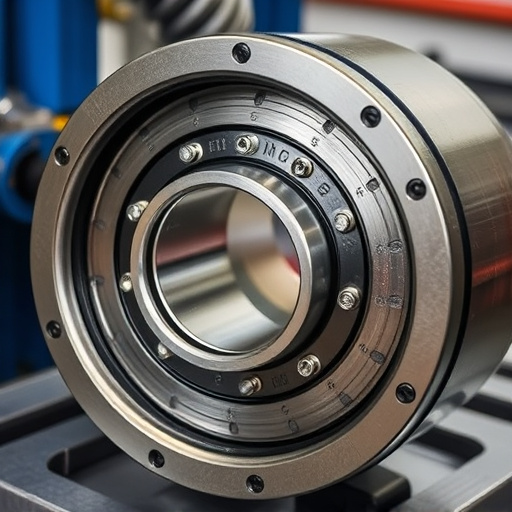
The drum bearing in a washing machine is a vital component responsible for supporting the rotating drum and ensuring smooth operation. When this part fails, it can lead to a series of issues, most notably a loud spinning noise during the wash cycle. This problem is quite common in older machines or those with heavy usage, impacting both residential and commercial settings, especially in major appliances. Understanding the replacement process is essential for tackling this issue effectively.
Replacing a drum bearing involves several precise steps. First, the machine must be unplugged and turned off to ensure safety. Then, the outer tub is carefully removed, exposing the inner components. The worn-out bearing is located near the drum’s shaft, and its removal requires specialized tools. After the old bearing is taken out, a new one is installed, ensuring proper alignment for smooth rotation. The process demands mechanical expertise to avoid further damage. Data from appliance repair studies shows that correct installation of replacement parts significantly improves machine performance and longevity.
Once the new drum bearing is in place, the tub is reassembled, and the machine is ready for testing. During the initial wash cycle after the repair, owners should listen carefully for any unusual noises, ensuring the issue has been resolved. Regular maintenance and prompt attention to abnormal sounds can prevent more complex problems down the line, saving time and money on repairs. Experts recommend keeping an eye on these subtle signals from major appliances to maintain optimal performance.
Choosing the Right Parts for Your Machine
When addressing loud spin noises from your washing machine drum, selecting the correct replacement parts is paramount. While many solutions involve sealing or replacing gaskets, a common yet often overlooked cause is a worn-out bearing. Bearings act as the drum’s wheel bearings, facilitating smooth rotation; their failure can lead to grinding and squealing sounds during the spin cycle. Choosing the right parts requires meticulous consideration.
First, identify your machine’s model and type to ensure compatibility. Major appliance manufacturers provide detailed specifications and part lists that help in this process. Online retailers often have search tools that make it easy to find exact matches for your specific model. Quality is another critical factor; subpar bearings may fail prematurely, leading to further repairs. Look for reputable brands known for their durability and performance. Additionally, consider the bearing’s design: ball bearings are common but can require regular lubrication, while sleeve bearings offer smoother rotation with less maintenance.
Installation should only be attempted by those comfortable with DIY repairs or professionals. Incorrect installation can exacerbate issues. After selecting the right parts, a systematic approach to replacement is advised. This involves disconnecting power, draining water, removing the drum, and carefully replacing the old bearing with the new one. Regular inspection of bearings during maintenance checks can help prevent unexpected failures, ensuring your washing machine operates smoothly and quietly for years to come.
Step-by-Step Guide to Effective Repairs
Loud spin noises coming from your washing machine drum can be a common nuisance, disrupting household routines and causing inconvenience. Fortunately, addressing this issue is often a straightforward process when the culprit is a worn-out drum bearing. This guide provides a step-by-step approach to replacing these components, offering an effective solution for eliminating loud spin noises in major appliances like your washing machine.
Begin by shutting off the power supply to your washing machine at the circuit breaker or fuse box. Safety should always be a priority during any repair work. Next, unplug the machine and allow any residual water to drain. With these initial steps completed, open the machine’s top or lid to access the drum and bearings. Identify the specific bearing that requires replacement by inspecting for excessive wear, cracks, or debris. Common signs of damage indicate the need for a new bearing.
Once the faulty bearing is identified, procure a replacement from a reputable supplier, ensuring compatibility with your model. Remove the old bearing carefully, using a wrench or socket if necessary. Clean the bearing seat and surrounding area to eliminate any dirt or debris that may have contributed to the problem. Insert the new bearing, ensuring it’s aligned correctly and secured firmly in place. Reassemble the washing machine, reconnecting any dismounted components, and follow safety protocols by turning on the power supply only after all parts are securely in place. Test the machine’s operation, listening for any unusual spin noises that could indicate incomplete repairs.
By addressing spin noise issues in major appliances, this article has empowered homeowners with the knowledge to tackle common problems effectively. Understanding the drum bearing replacement process, coupled with selecting the right parts, offers a practical solution for eliminating loud noises during the spin cycle. The step-by-step guide ensures success and encourages DIY repairs, fostering self-reliance and cost savings. Major appliance owners can now confidently diagnose and resolve issues, enhancing the longevity and performance of their appliances.