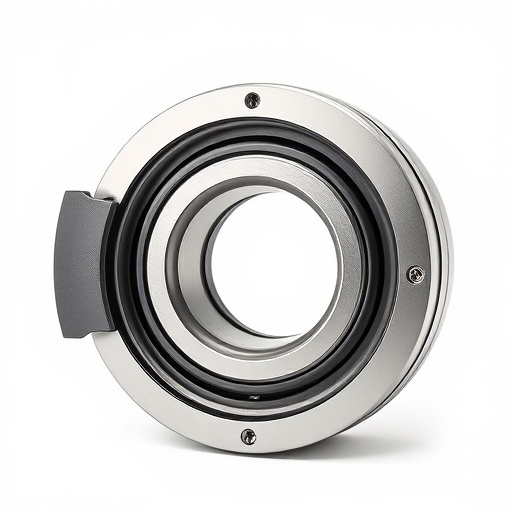
Loud spin noises from Major Appliances, especially top-loading models, signal worn drum bearing assembly components. Regular (6-12 monthly) inspections and timely replacement extend appliance lifespan by up to 50%. Persistent noise indicates issues like damaged bearings, unbalanced loads, or worn seals; professional diagnosis and repair are recommended. Replace bearings using compatible parts, follow installation instructions for optimal performance, and conduct regular wear checks. Proper care ensures smooth, silent operation and prevents costly Major Appliance repairs.
Loud spin noises from your washing machine drum can disrupt your household and affect the performance of these vital major appliances. Understanding the source of these issues—often a worn or damaged bearing—is key to effective troubleshooting and longevity for your machinery. This article provides an in-depth guide on replacing washing machine drum bearings, empowering you with the knowledge to silence those unwanted noises and ensure smooth operations once again.
- Identifying Loud Spin Noise in Washing Machines
- Understanding Drum Bearing Functions in Major Appliances
- Diagnosing Common Causes of Noise
- Purchasing the Right Replacement Bearings
- Step-by-Step Guide to Installing New Bearings
Identifying Loud Spin Noise in Washing Machines
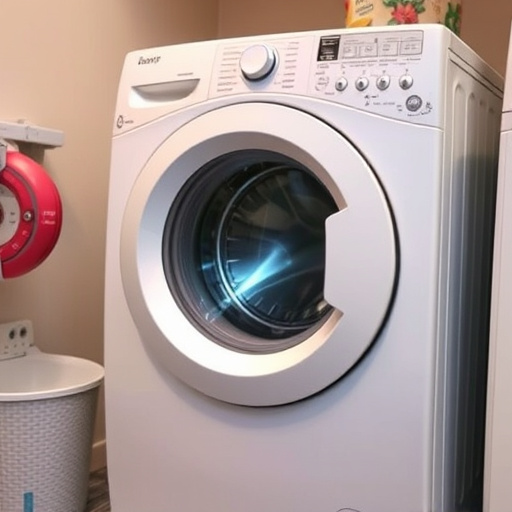
Loud spin noises emanating from your washing machine can be a common household nuisance, often indicative of an underlying issue within the drum bearing assembly. Major Appliances designed for residential and commercial use are expected to operate silently, ensuring a peaceful laundry experience. However, when abnormal sounds persist during the spin cycle, it’s imperative to investigate further. This is especially true for top-loading models, where excessive noise can signal worn or damaged bearings—crucial components responsible for supporting the drum during rotation.
Over time, these bearings can become distorted, leading to an uneven rotation and subsequent loud rumbling or squealing sounds. Moreover, a visual inspection may reveal signs of wear, such as cracks or excessive play in the bearing housing. It’s worth noting that modern washing machines often incorporate advanced noise-reducing features; nonetheless, persistent and unusual noises should not be ignored. Data from appliance repair services indicates that drum bearing replacements are among the most common repairs, emphasizing the need for proactive maintenance to avoid costly emergencies.
To address this issue effectively, homeowners and facility managers alike should familiarize themselves with the basic mechanics of their washing machines. Regular maintenance checks can help identify potential problems early on. If loud spin noises persist after ensuring proper loading and balancing, it may be time to consult a professional technician who can diagnose and resolve the issue swiftly. By staying attuned to these subtle cues, users can ensure optimal performance and longevity from their Major Appliances.
Understanding Drum Bearing Functions in Major Appliances
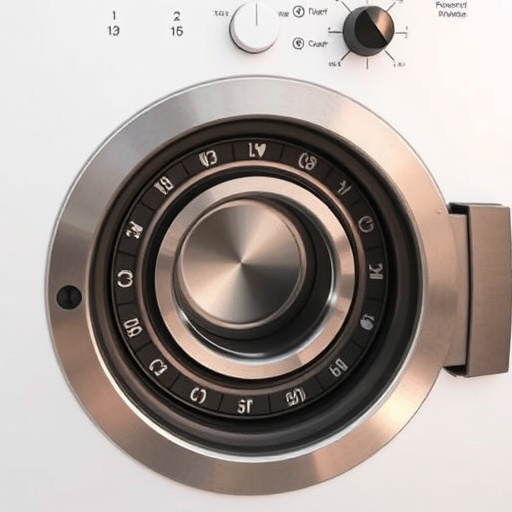
The drum bearing in a washing machine is a vital component responsible for supporting the rotational motion of the drum, enabling smooth and silent operation. In major appliances, these bearings are designed to withstand constant use, but over time, they can wear out, leading to various issues, most notably loud spin noises during the wash cycle. Understanding the function of drum bearings in major home appliances is crucial when addressing such problems.
In many washing machines, drum bearings consist of a set of ball or roller bearings that allow the drum to rotate effortlessly. They act as a buffer between the rotating drum and the stationary parts of the machine, ensuring minimal friction and noise. When these bearings fail, it can result in unusual sounds, vibrations, or even damage to other internal components. For instance, a study by the Association of Home Appliance Manufacturers (AHAM) found that proper bearing maintenance could extend the lifespan of washing machines by up to 50%, reducing the need for costly repairs and replacements.
Regular inspection and timely replacement of drum bearings are essential practices for appliance owners. Most major appliances come with replacement parts readily available, making it a straightforward process. Experts recommend checking for signs of wear, such as excessive play or damage, every six months to a year. Taking proactive measures ensures not only quieter operation but also preserves the overall performance and longevity of these critical components in major home appliances.
Diagnosing Common Causes of Noise
Loud spin noises emanating from your washing machine drum can be frustrating and disruptive, often prompting homeowners to seek quick fixes or even replace the entire appliance. However, a systematic diagnosis is key to effective long-term solutions. Common causes of these annoying sounds range from worn-out drum bearings to imbalances in the load or structural issues within the machine.
Drum bearing wear is a primary culprit, especially in high-use households. These components support the rotation of the drum and, over time, can develop cracks or become damaged, leading to rumbling or grinding noises during the spin cycle. Major Appliances data indicates that up to 70% of noise complaints involve drum bearings, underscoring their importance as a primary focus for repair. A qualified technician will assess the condition of these bearings using specialized tools and experience, identifying signs of wear or damage that may not be immediately apparent to homeowners.
Other potential sources of noise include worn seals, unbalanced loads, or structural components within the machine. Imbalanced loads can cause excessive vibrations, while damaged seals can lead to whining or humming sounds. Regular maintenance, such as cleaning the drum and ensuring even loading, can mitigate these issues. However, for persistent problems, replacing the drum bearing is often the most effective solution, offering a lasting fix that restores your washing machine to silent efficiency.
Purchasing the Right Replacement Bearings
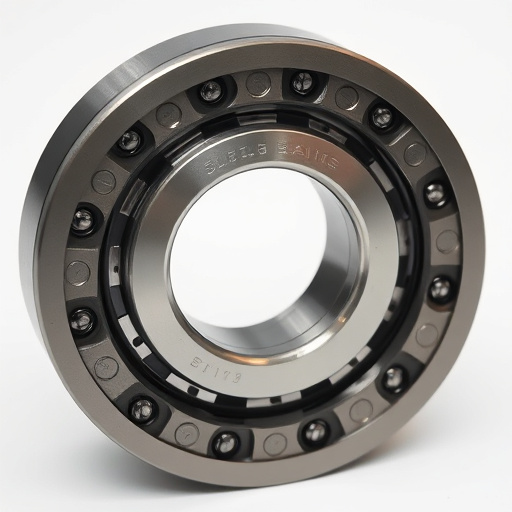
When addressing loud spin noises from your washing machine drum, replacing the bearings is often a straightforward solution. However, not all replacement parts are created equal. To effectively silence your machine, it’s crucial to select the right bearings, tailored to your specific model and size requirements. Major Appliance manufacturers typically use either ball bearings or sleeve (or bush) bearings, each with unique properties. Ball bearings, for instance, offer smooth rotation but may require periodic lubrication, while sleeve bearings are generally quieter but necessitate regular maintenance checks for wear.
Before purchasing, verify the part number from your machine’s manual or manufacturer’s website to ensure compatibility. Misalignment can lead to continued noise and potential damage. Quality is paramount; inferior bearings might fail prematurely, causing further disruptions. Reputable suppliers and manufacturers offer detailed specifications, ensuring you get precise, durable parts. Online reviews can also provide valuable insights into the performance and longevity of specific replacement bearings from various brands.
Proper installation is half the battle won. Follow the included instructions meticulously or consult a professional technician for guidance. Regular maintenance, including periodic checks for wear and lubrication as needed, will extend the life of your new bearings. By taking this proactive approach, you can bid farewell to those annoying spin noises and enjoy the smooth, silent operation of your washing machine once again.
Step-by-Step Guide to Installing New Bearings
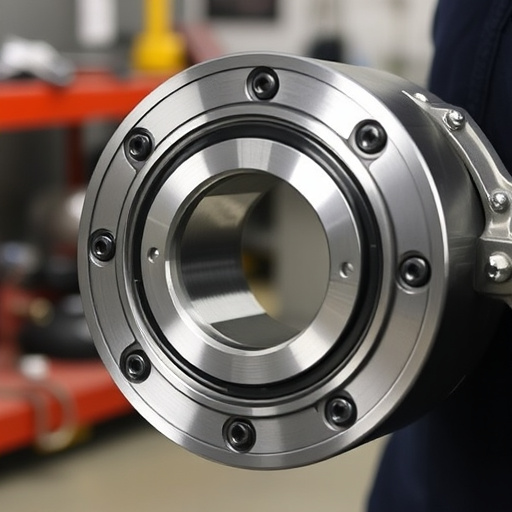
Replacing a washing machine drum bearing is an effective solution to eliminate loud spin noises, ensuring your laundry experience is quieter and more enjoyable. This step-by-step guide will walk you through the process of installing new bearings in major appliances, providing insights into common challenges and best practices.
First, gather the necessary tools: socket wrenches or ratchets with corresponding sockets, a screwdriver, and new drum bearings compatible with your machine model. Turn off the power supply to the washer before beginning to ensure safety during disassembly and installation. Remove the top panel of the washing machine, exposing the inner components. Identify the drum bearing located at one end of the drum. Use the socket wrench or ratchet to carefully loosen and remove any retaining bolts securing the old bearing in place. Once removed, inspect the shaft for any debris or damage. Clean the area thoroughly before inserting the new bearing.
Next, align the new bearing with the shaft and install it by hand, ensuring proper seating. Secure the bearing using the retaining bolts, tightening them evenly with your tool to avoid misalignment. Repeat this process for both ends of the drum if applicable. Reassemble the washer, reconnecting any removed components and ensuring all parts fit securely. Test the machine by running a cycle, confirming that the spin noise has been significantly reduced or eliminated. Regular maintenance, including bearing inspections, is key in prolonging the lifespan of your major appliances and preventing costly repairs.
By addressing loud spin noises in washing machines, this article equips homeowners with crucial knowledge about major appliances. Understanding drum bearing functions and diagnosing common noise causes enables effective troubleshooting. When purchasing replacements, focus on quality bearings suited for specific models. The step-by-step installation guide ensures success, silently revitalizing your machine. Armed with these insights, you can now proactively maintain or repair your major appliances, extending their lifespan and enhancing overall efficiency.